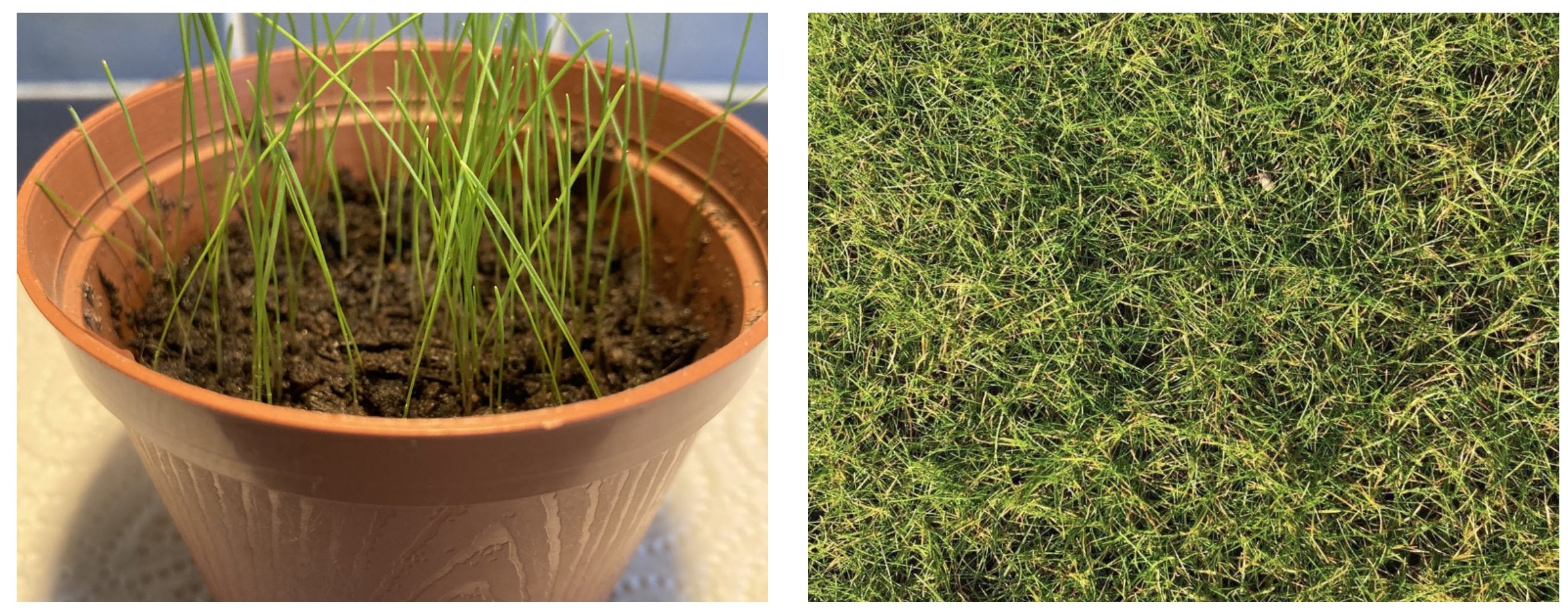
Fescue
Here you will learn about the strengths and weaknesses of different cultivars of fescue.

Course content
Strengths
Fine turf royalty. Slender crf offers unrivalled binding capacity due to extensive rhizomes.
Can be used on tees, fairways and greens. Key component in turf production to aid turf strength.
Excellent salt tolerance hence popular on links courses. Good shade tolerance properties also.
Traditionally partnered with Chewings fescue to benefit from different growth habits.
Good drought tolerance, at its best in summer and autumn. Can be mown to 4mm and recover well
Weaknesses
Dormant in winter/spring and will lose colour. Lack of heat tolerance.
Even in low N situations thatch will develop
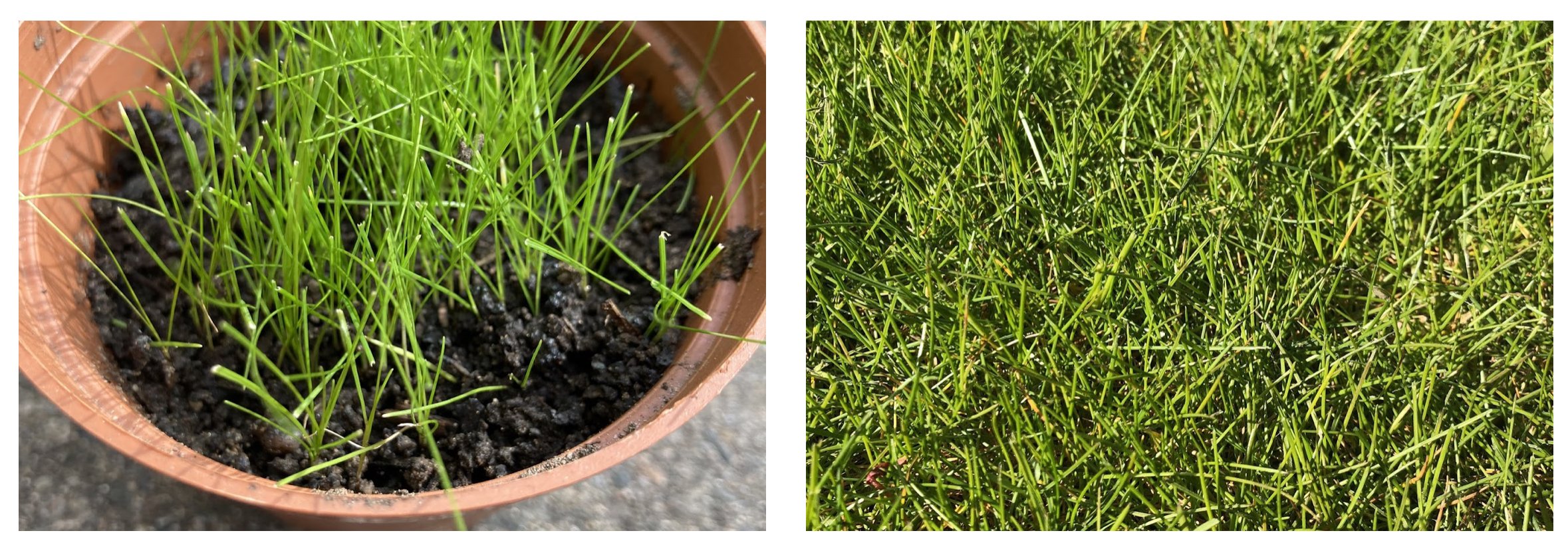
Strengths
Rapid establishment. Will germinate 1-2 days ahead of slender crf.
Rhizomatous growth aids stabilisation of root zones. Popular in landscaping mixes.
Common in turf production due its binding capacity.
Excellent shade tolerance, low feed and water requirement .
Partnered with ryegrass in sports pitch renovations for quick establishment.
Weaknesses
Poorest disease resistance of all fine fescues and exhibits low salt tolerance.
Doesn’t tolerate short mowing ( below 25mm ) although newer cultivars can be mown to 12mm.
Lower shoot density than slender crf
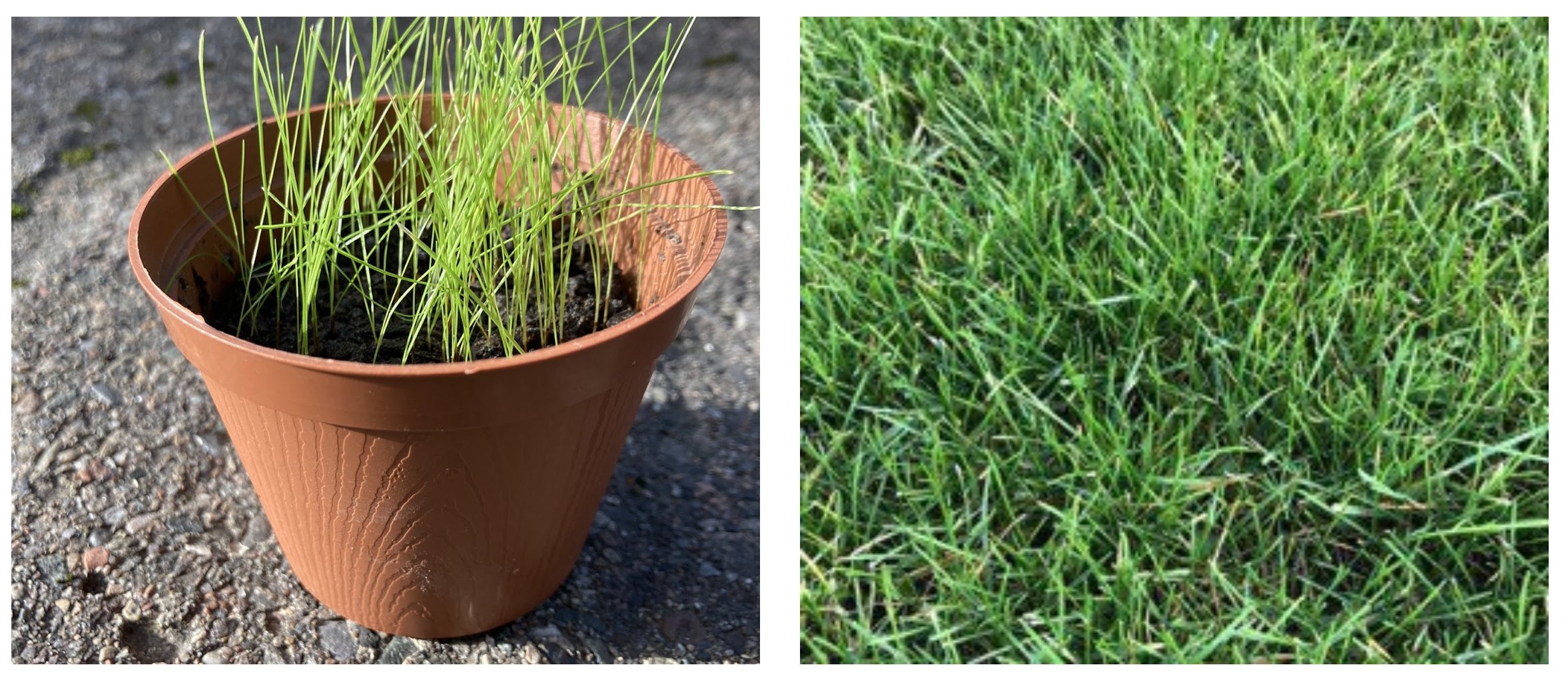
Strengths
Good winter and spring colour. Will germinate at lower soil temperatures than slender or strong crf.
Of all fine fescues, chewings fescue offers better snow and frost tolerance.
Good shade and disease tolerance.
High shoot density and will tolerate mowing to 4mm.
Excellent on acidic soils. Low water and nutrient requirements.
Weaknesses
Tufted growth habit. Won’t add binding capacity for turf strength.
Limited shade tolerance and poor salt water tolerance.
Lacks the fine leaved visual appearance of other fescues.