Grass species
Learn about the many different grass species used in sports turf.

Course content
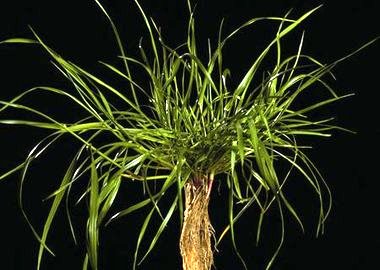
Annual ryegrass
With its ability to rapidly establish at low temperatures, annual ryegrass can be used as a
nursery crop and is ideal for localised repair.
Distinguishing features:
• Germination as low as 3°C
• Rapid establishment
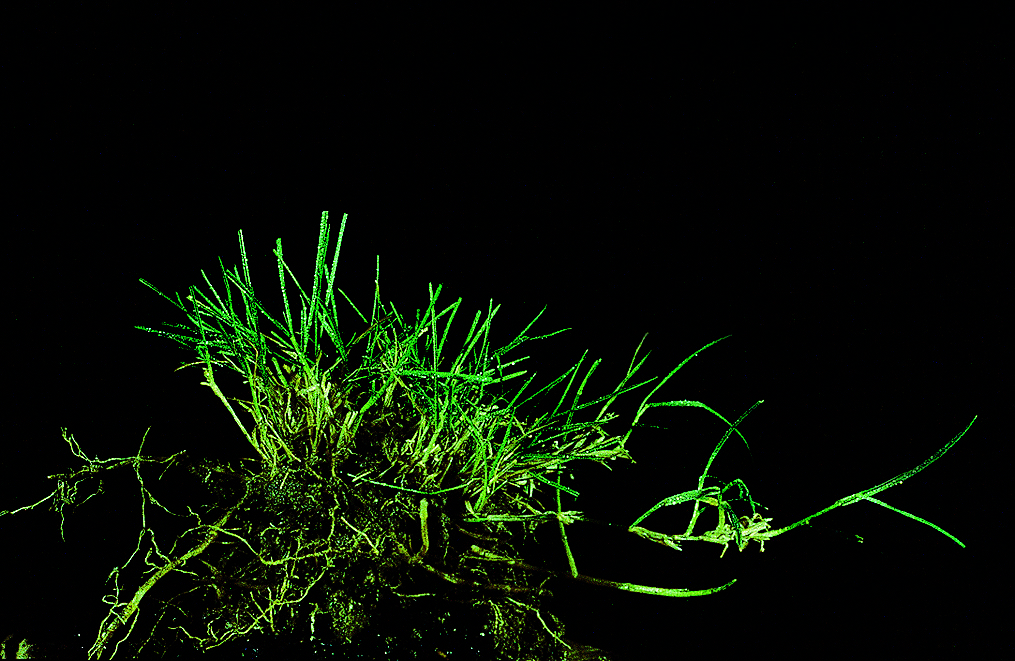
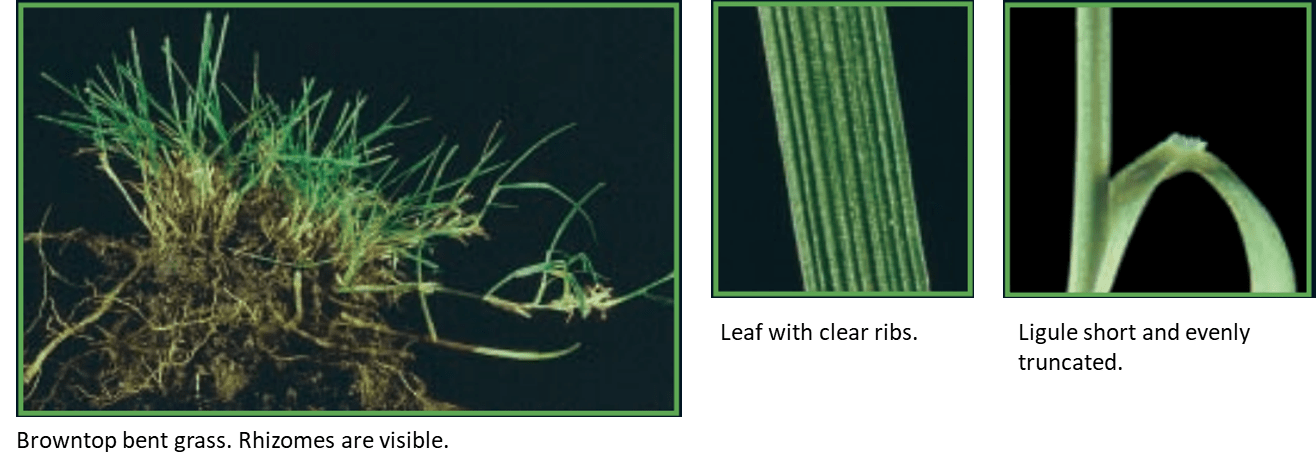
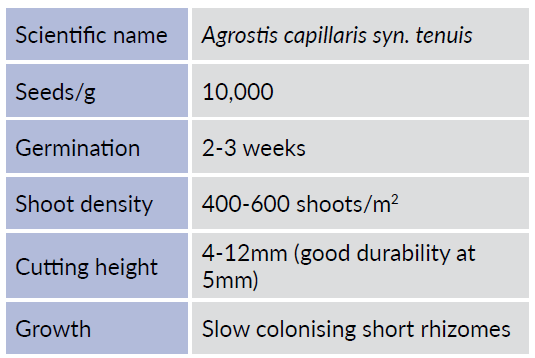
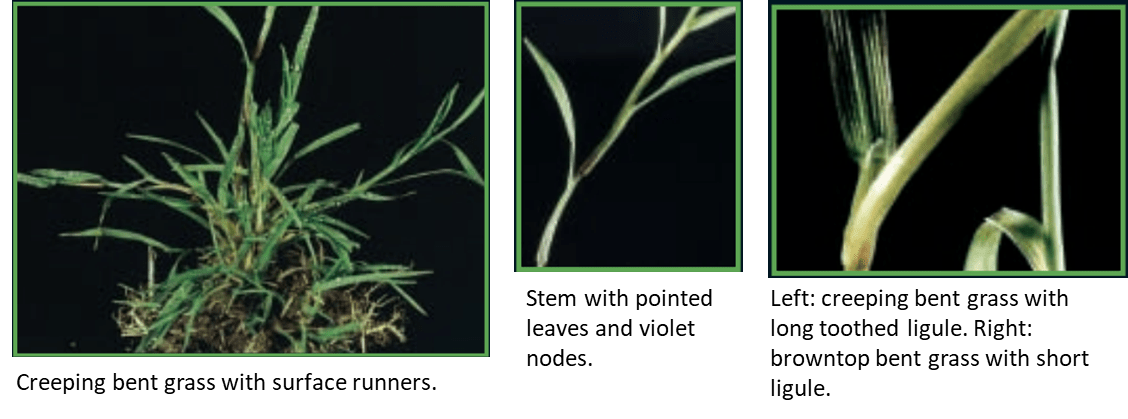
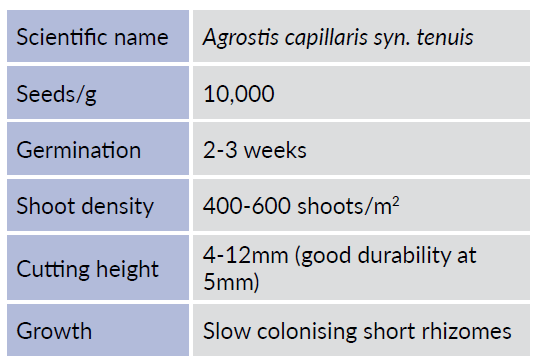
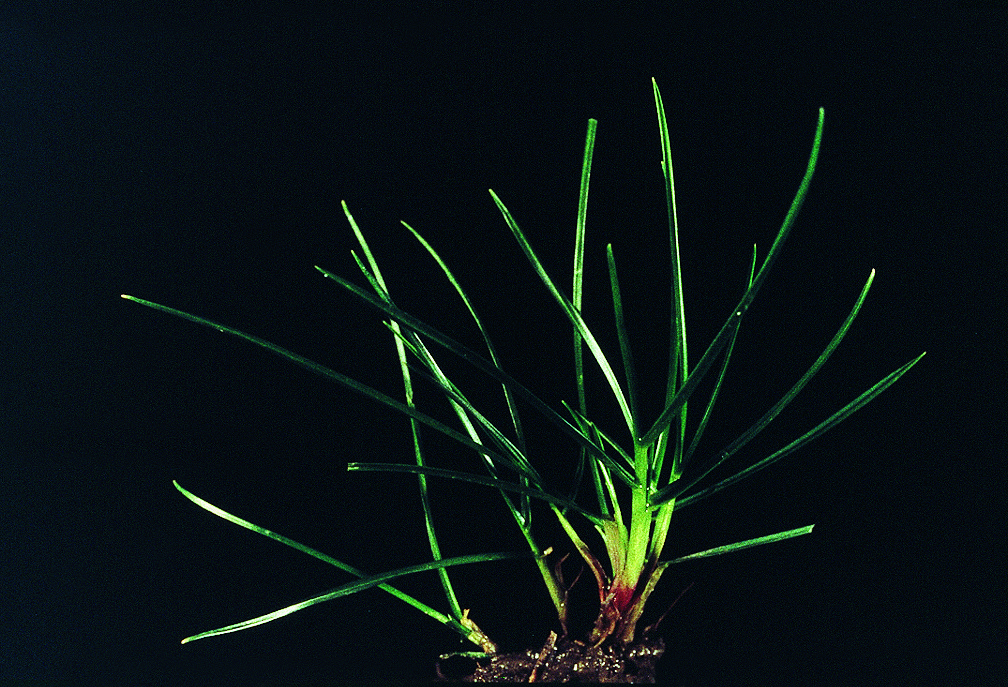
Browntop bent grass
This species is tolerant of wear and is well adapted to relatively low nutrient soils and dry
conditions. Over fertilising, over-watering and compacted or waterlogged soil can result in
displacement of the species by annual meadow grass (Poa annua).
Distinguishing features:
• Leaves fine, stiff and filamentous
• Young leaf folded in shoot (generally remains unfolded
when mature)
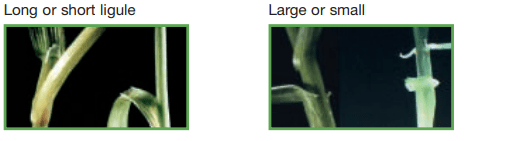
• Ligule short
• Forms dense tufts
• Short rhizomes
• Leaf sheath complete, not overlapping
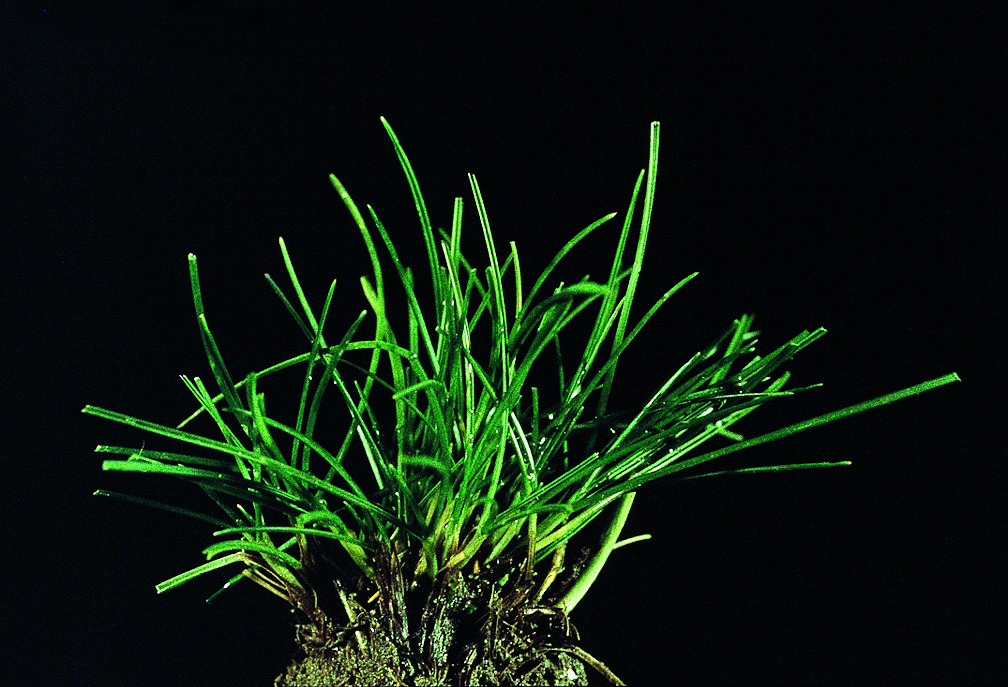
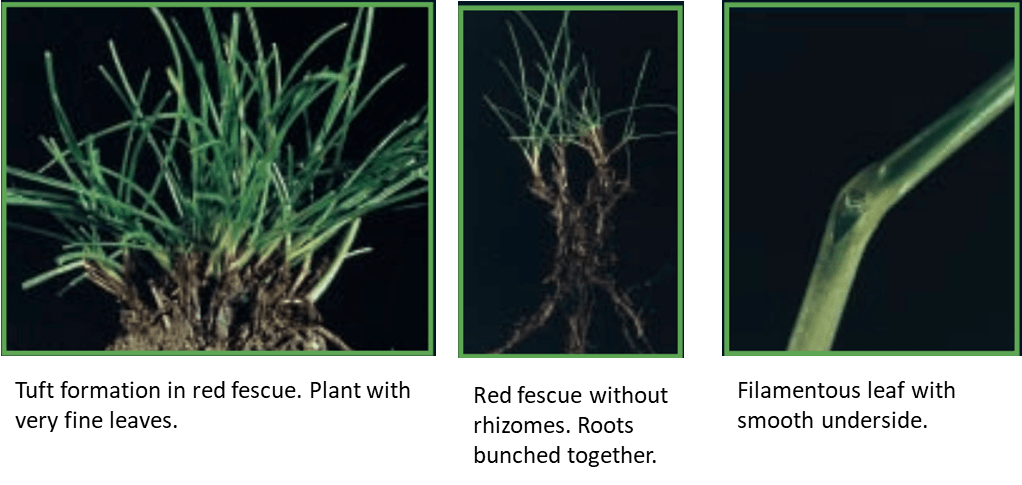
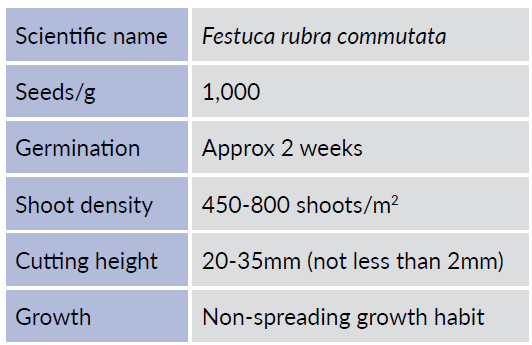
Chewings fescue
The high shoot density and tolerance to close mowing makes this species particularly
suitable for golf greens, tees, and fairways. Chewings fescue tolerates acidic soils, requires
minimal water and fertiliser, and retains good colour and a fine appearance year-round.
Distinguishing features:
• Leaves fine, stiff and filamentous
• Young leaf folded in shoot (generally remains unfolded
when mature)
• Ligule short
• Forms dense tufts
• No rhizomes
• Leaf sheath complete, not overlapping
Creeping bent
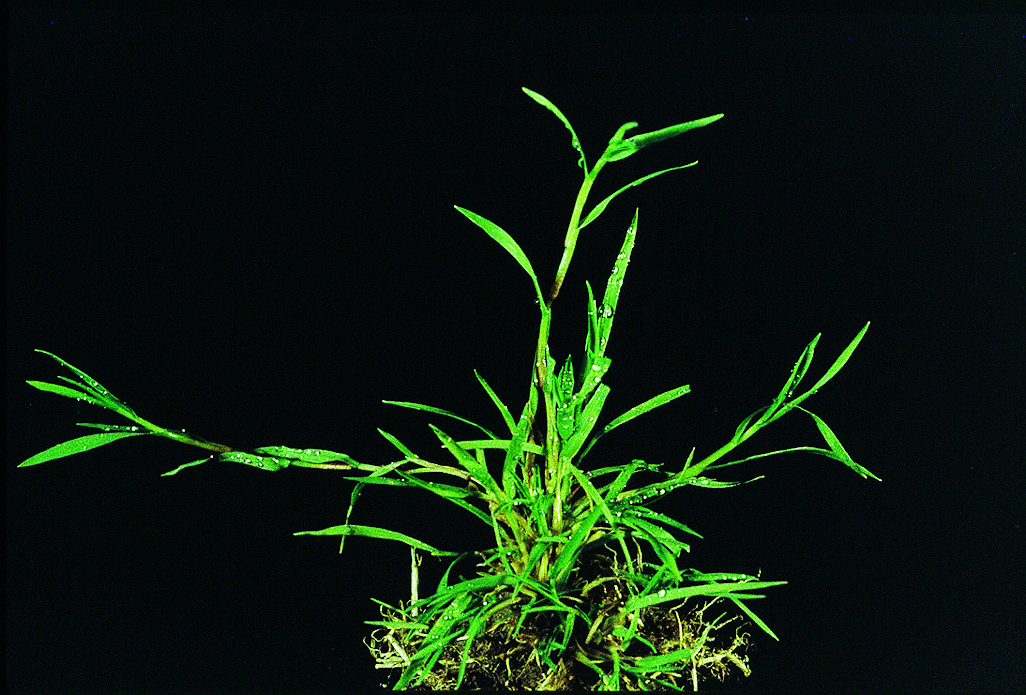
Though related to browntop bent grass, this species requires more nitrogen alongside
intensive management and watering. While it has high tolerance to close cutting, creeping
bent can become dormant in winter.
Distinguishing features:
• Leaves matt green and broadest at base, gradually
narrowing to a fine tip
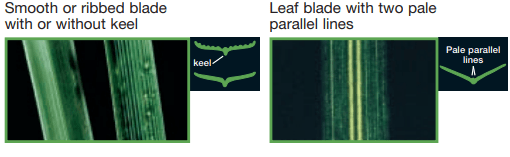
• Leaf with ribs above
• Leaf rolled in shoot
• Ligule rounded, lightly toothed, up to 5mm long
• Can root at nodes
• Numerous stolons
Perennial ryegrass
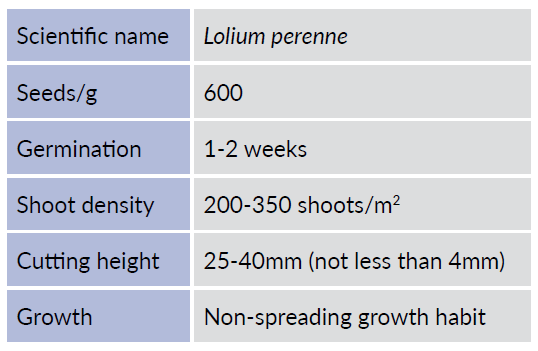
This hard-wearing species is highly suitable for both sports areas and fine turf and is ideal
for overseeding because of its rapid germination and establishment in a range of soils.
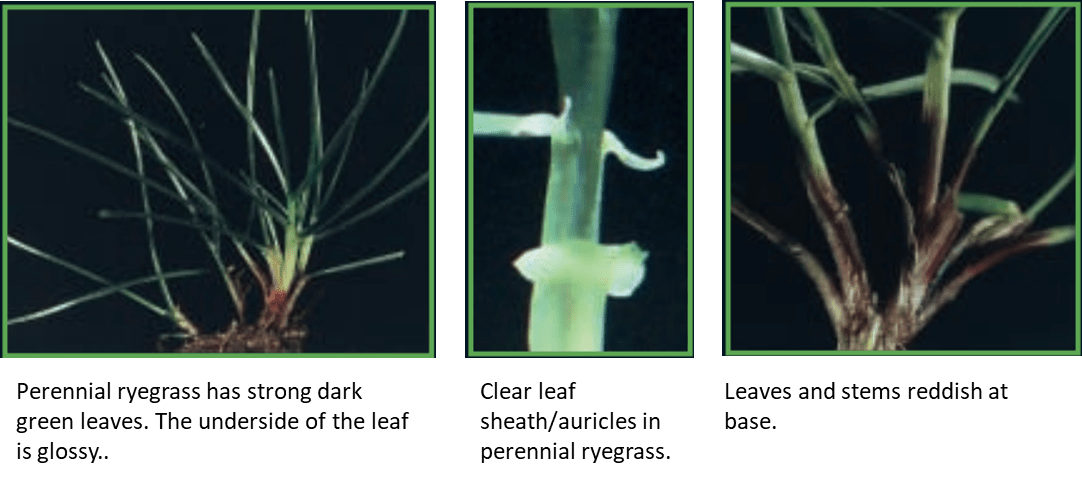
Distinguishing features:
• Leaves largely parallel-sided, but narrow to a fine tip
• Underside of leaf and leaf sheath glossy with prominent keel
• Leaves and stems reddish at base
• Leaf blade folded in the shoot
• Ligule up to 2mm long
• Clear sheath/auricle
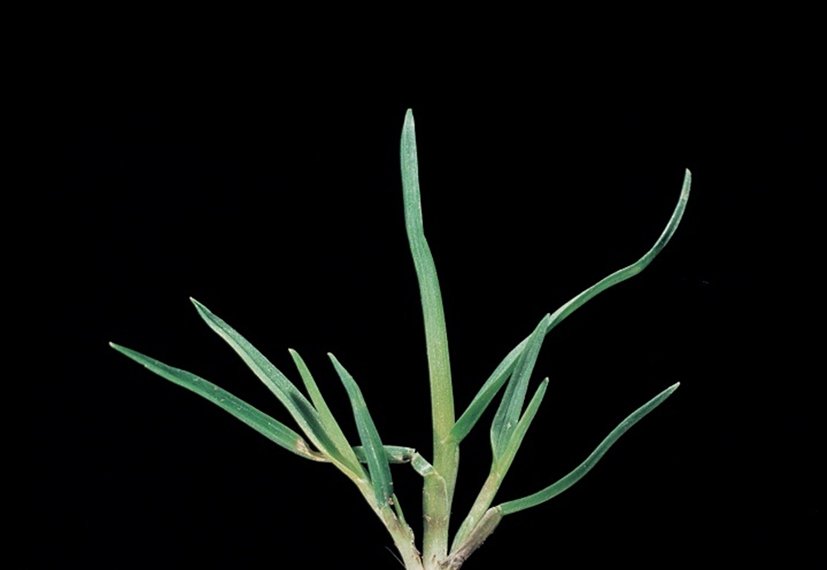
Rough stalked meadow grass
This species is well adapted to low light levels, making it ideal to use in shady conditions.
Also adapted to wet ground and with frost tolerance, it can help improve turf quality
during the winter.
Distinguishing features:
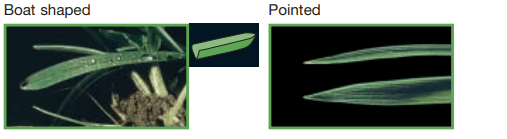
• Of uniform width, abruptly terminating in boat-shaped tip
• Leaves dark green or with bluish bloom
• No auricles
• Long (4-10 mm) pointed ligule
• Lower surface of the leaf is glossy
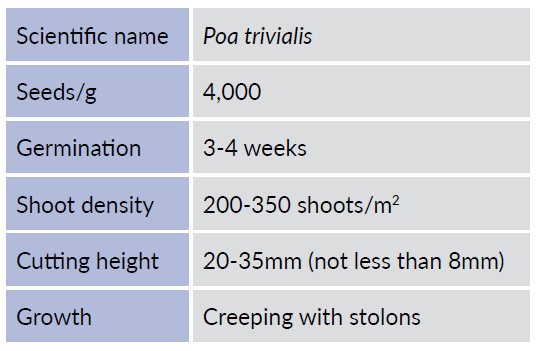
• Spreads by stolons
Sheep’s and Hard fescue
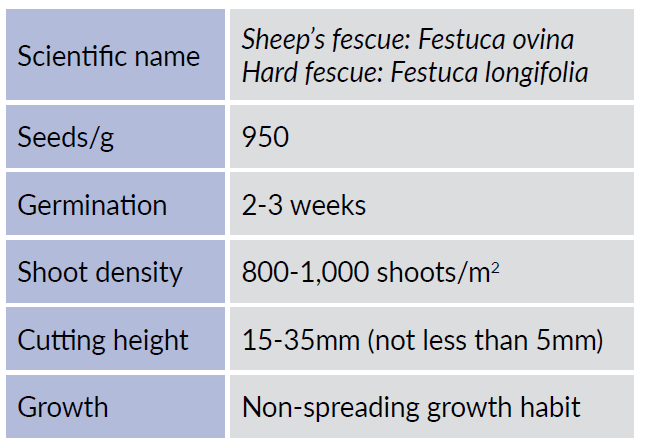
Both species are highly flexible, drought tolerant and require limited nutritional inputs.
They can be used in a diverse range of mixtures from moorland to golf. The species are
tolerant of both close-mown and low-maintenance situations and are visually attractive if
left uncut. Sheep’s fescue is well adapted to cold conditions, whilst hard fescue has good
heat tolerance.
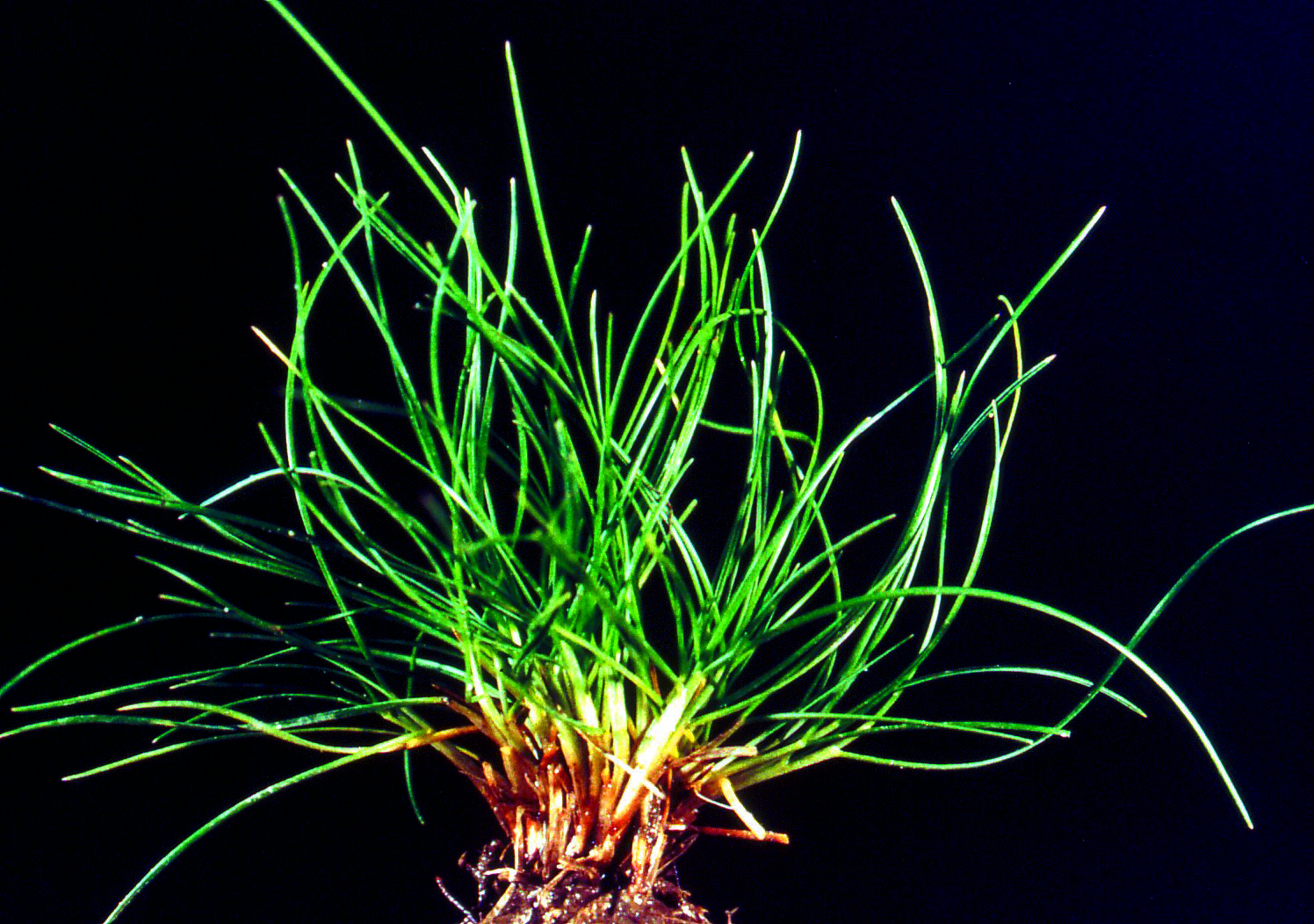
Distinguishing features:
• Very fine leaved with high shoot density
• Leaves are thread like, hairless with a strongly ribbed
ridged upper surface
• Leaves greyish to blue green
• Sheep’s fescue characteristically forms whorls as a
mature plant
• Ligule is very short
• Leaf sheaths open and overlapping
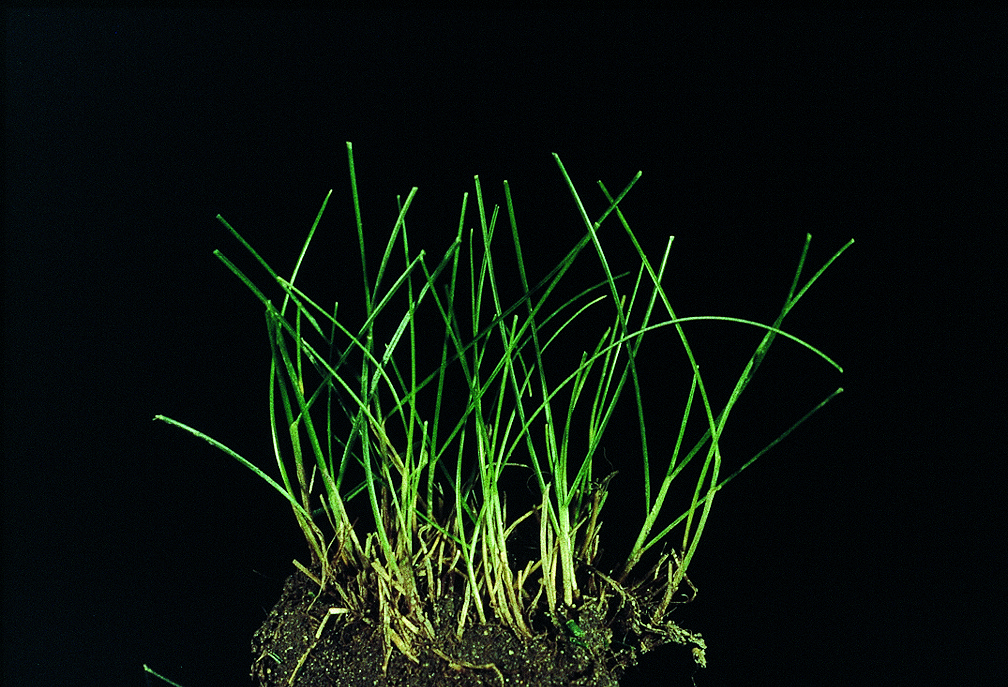
Slender creeping red fescue
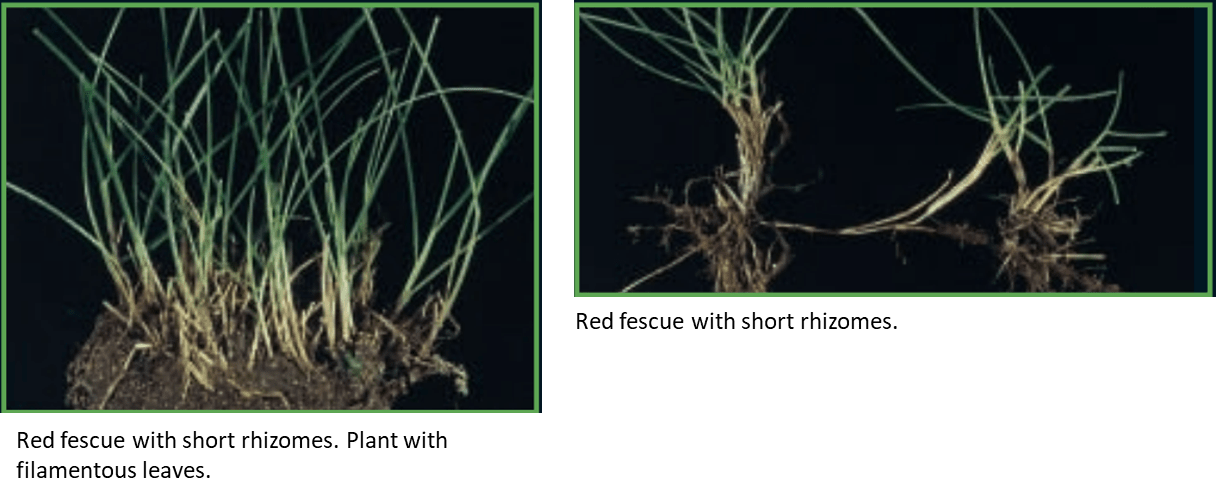
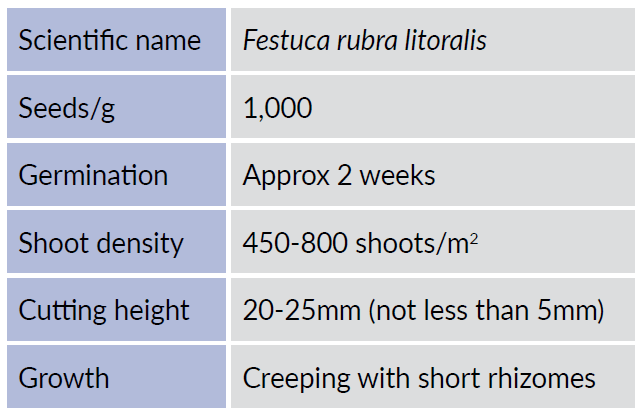
A low maintenance and drought tolerant species which requires low nutritional inputs. Its
short rhizomes enable greater resistance to wear than non-spreading fescues. It has a fine
leaf and is highly ornamental if left uncut.
Distinguishing features:
• Very fine leaved plant with high shoot density
• Leaves are thread like, hairless with a strongly ribbed
ridged upper surface
• Leaves greyish to blue green colouration
• Ligule is very short
• Leaf sheaths open and overlapping
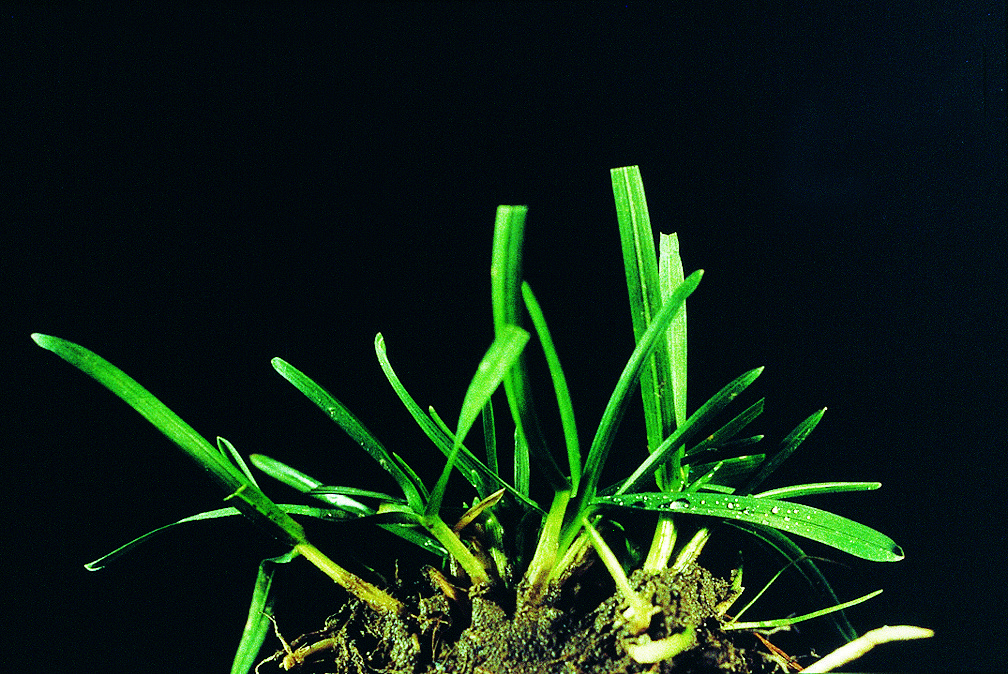
Smooth stalked meadow grass
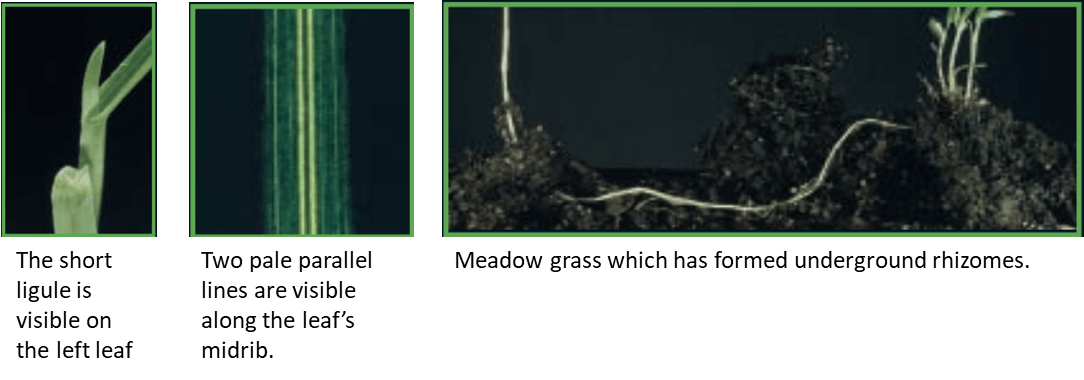
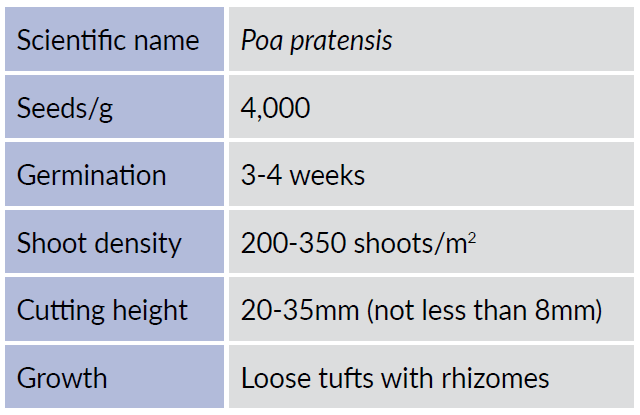
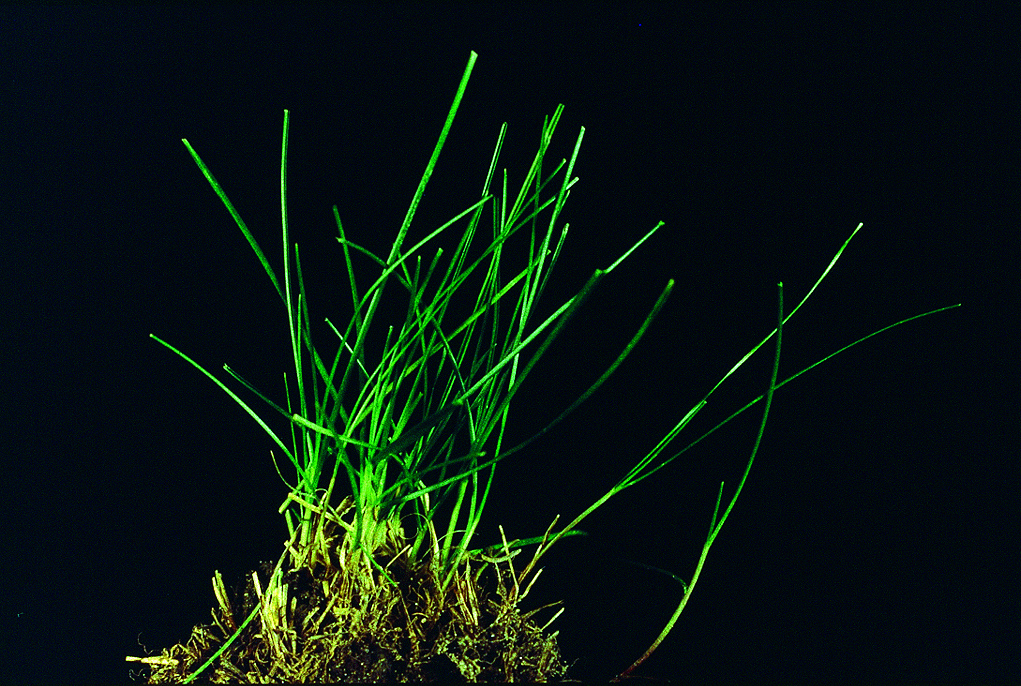
A hard wearing species with a good ability to regenerate due to extensive rhizomatous
growth. It is ideal for turf production, tees and sports areas, particularly when paired with
the faster establishing perennial ryegrass.
Distinguishing features:
• Leaves dark green or with bluish bloom
• Of uniform width, abruptly terminating in boat-shaped
tip
• Two pale parallel lines visible along midrib when leaf is
held up against light
• Underside of leaf with keel
• Leaf blade folded in the shoot
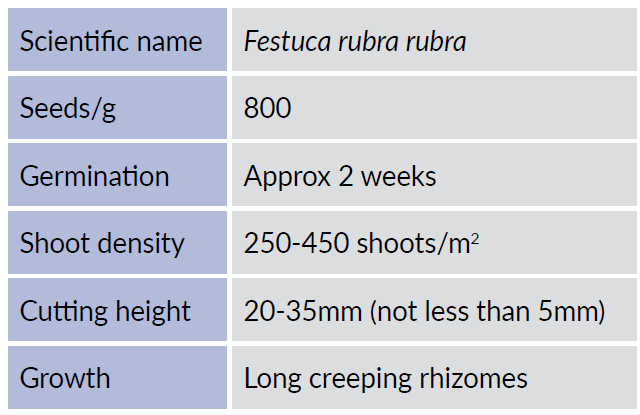
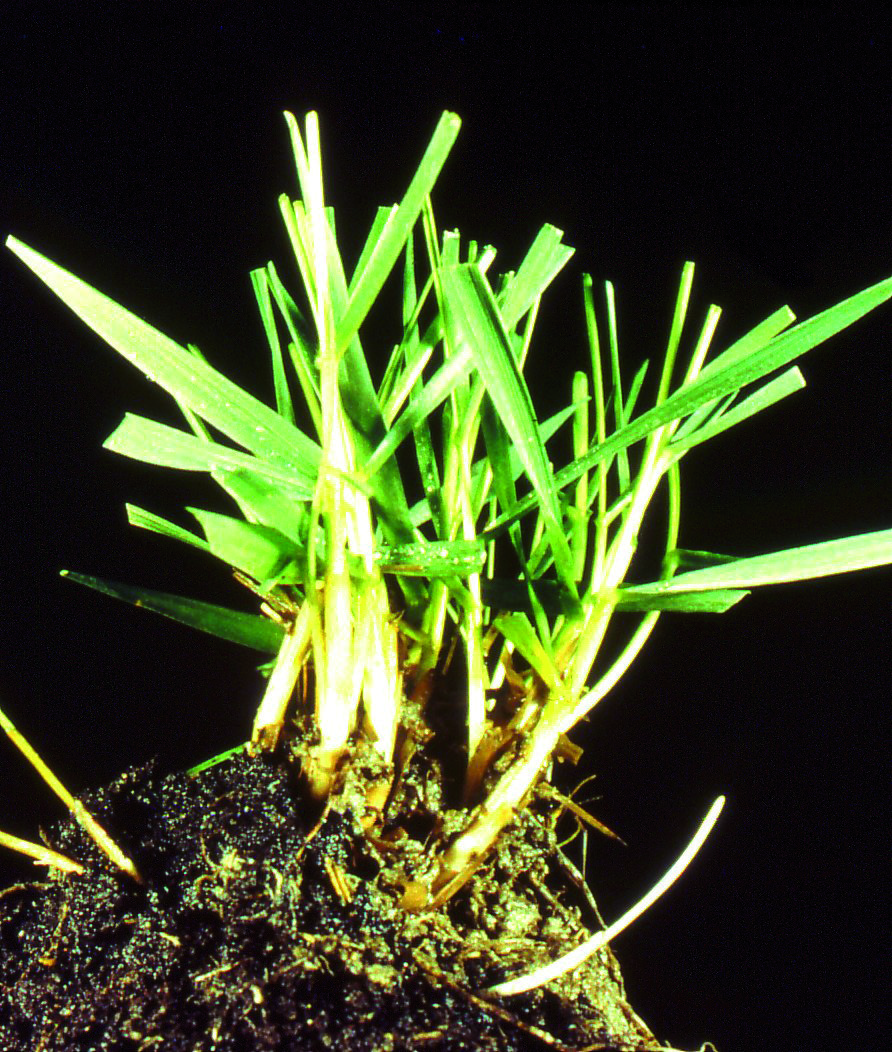
Strong creeping red fescue
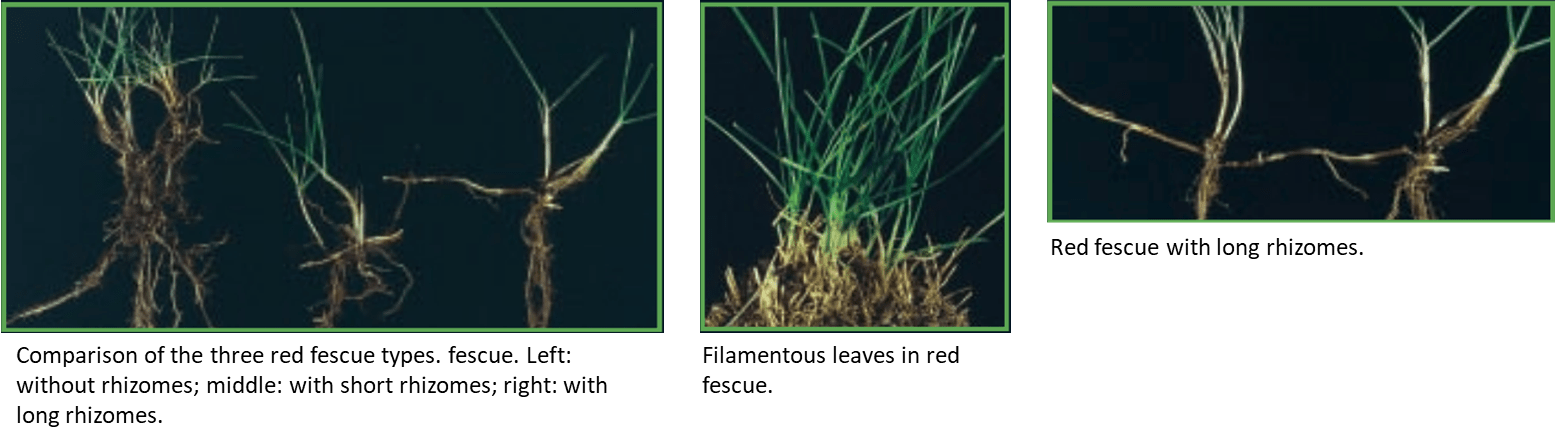
With the largest seeds of the red fescues, this species establishes rapidly. Its rhizomatous
growth stabilises root zones and provides good recovery from damage. Used in turf
production for its binding properties, it is not suited to close mown areas such as golf
greens. Due to its regenerative capacity, it is ideal for tees, fairways and landscape usage
Distinguishing features:
• Leaves stiff and filamentous
• Young leaf folded in shoot (tends to remain unfolded
when mature)
• Ligule short, blunt and difficult to distinguish
• Long rhizomes
• Leaf sheath complete, not overlapping
Tall fescue
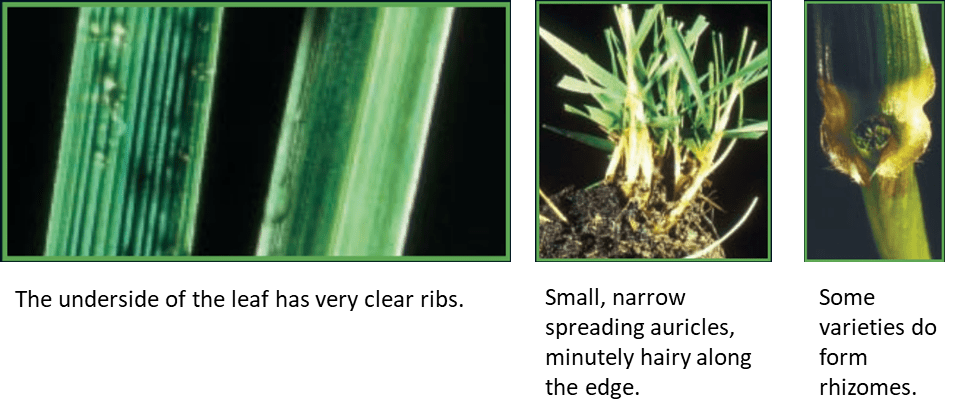
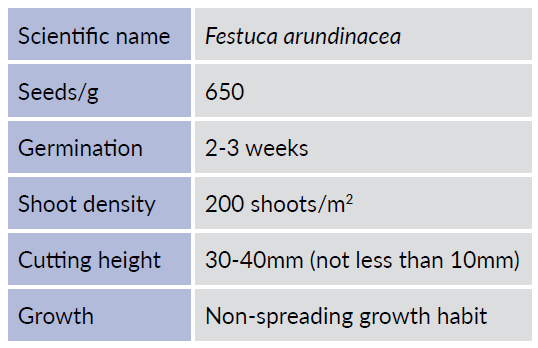
A species that has very high tolerance of drought and good resistance to extremes of
hot and cold weather. With some varieties forming rhizomes, tall fescues demonstrate
moderate to good wear tolerance.
Distinguishing features:
• Strongly veined upper leaf surface
• Blade rolled when young
• Large flat mature leaf
• Ligules short
• Small hairy auricles
• Purple red leaf sheath
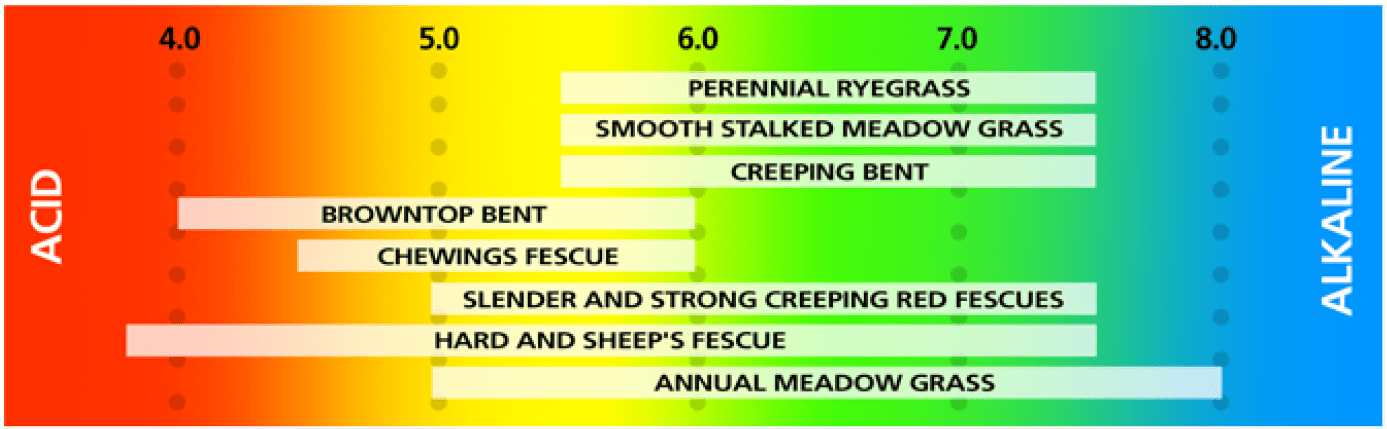
Soil pH. Table shows most suitable pH for grass species
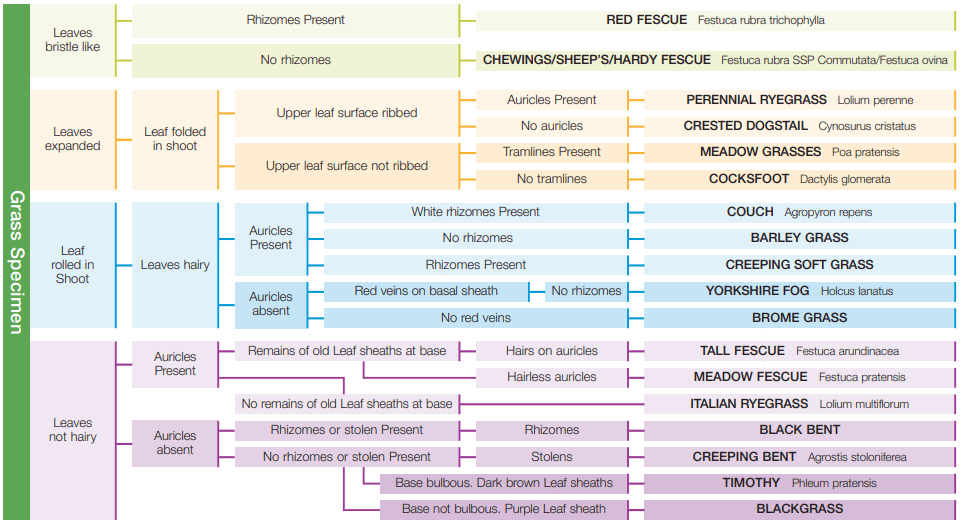
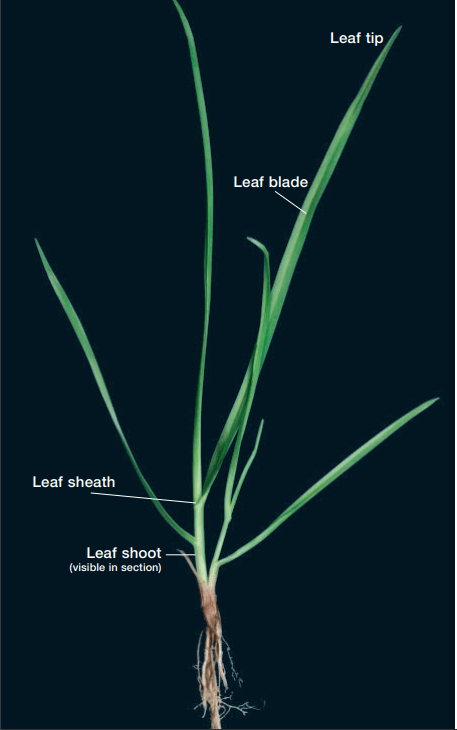
The leaf bud

The leaf tip
The leaf blade
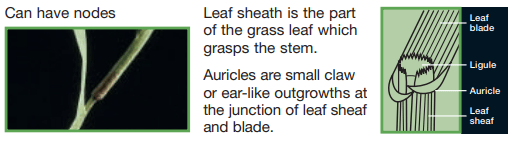
The ligule / leaf sheath auricle
The stem