Insignia
Pyraclostrobin. Protects and controls.



Course content
What
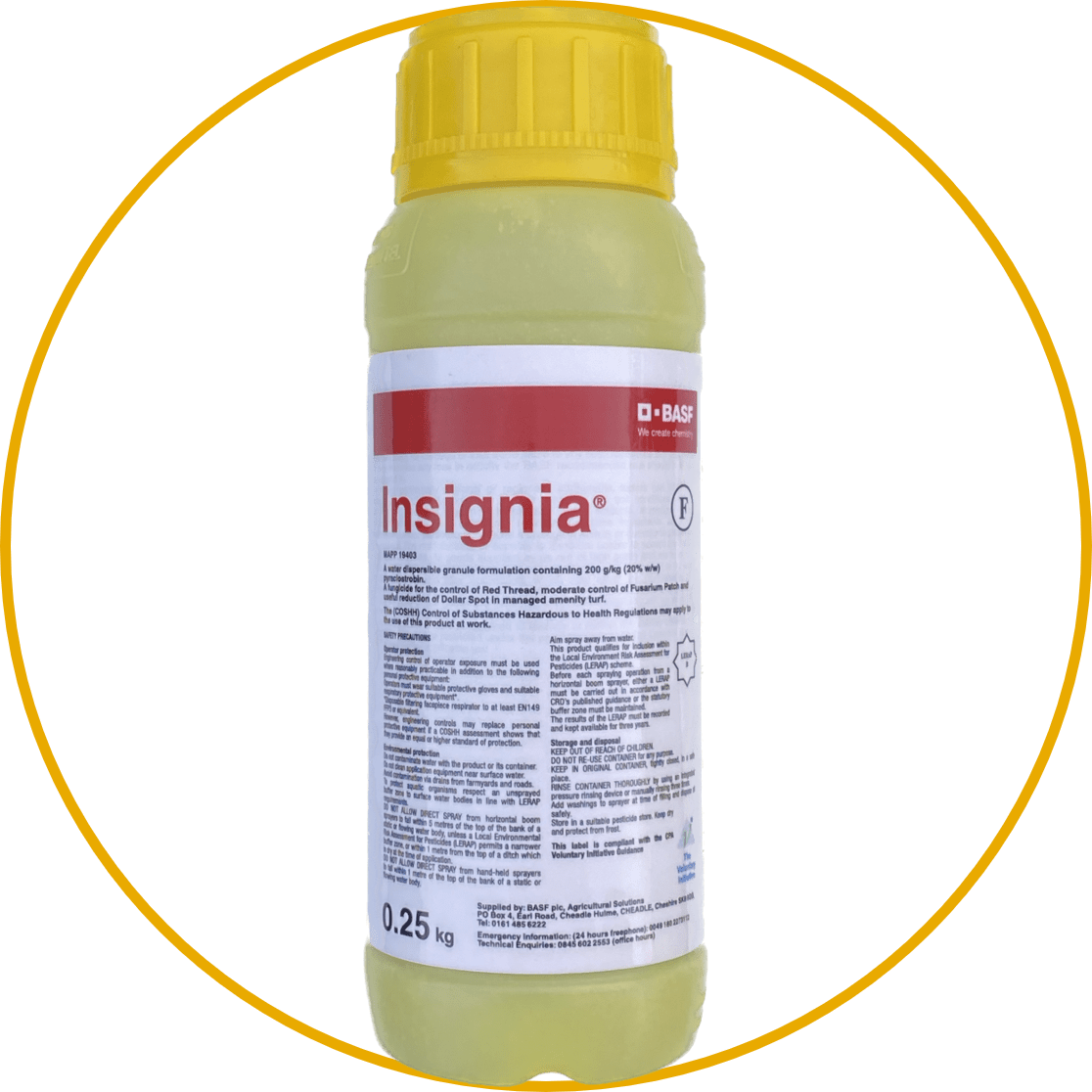
Insignia® is a strobilurin based local penetrant fungicide available in a water dispersible granule formulation. Insignia® contains 200g/l (20%) pyraclostrobin providing both protective and curative protection. Insignia® controls red thread (Laetisaria fuciformis), microdochium patch (Microdochium nivale) and dollar spot (Sclerotinia homoeocarpa).
When
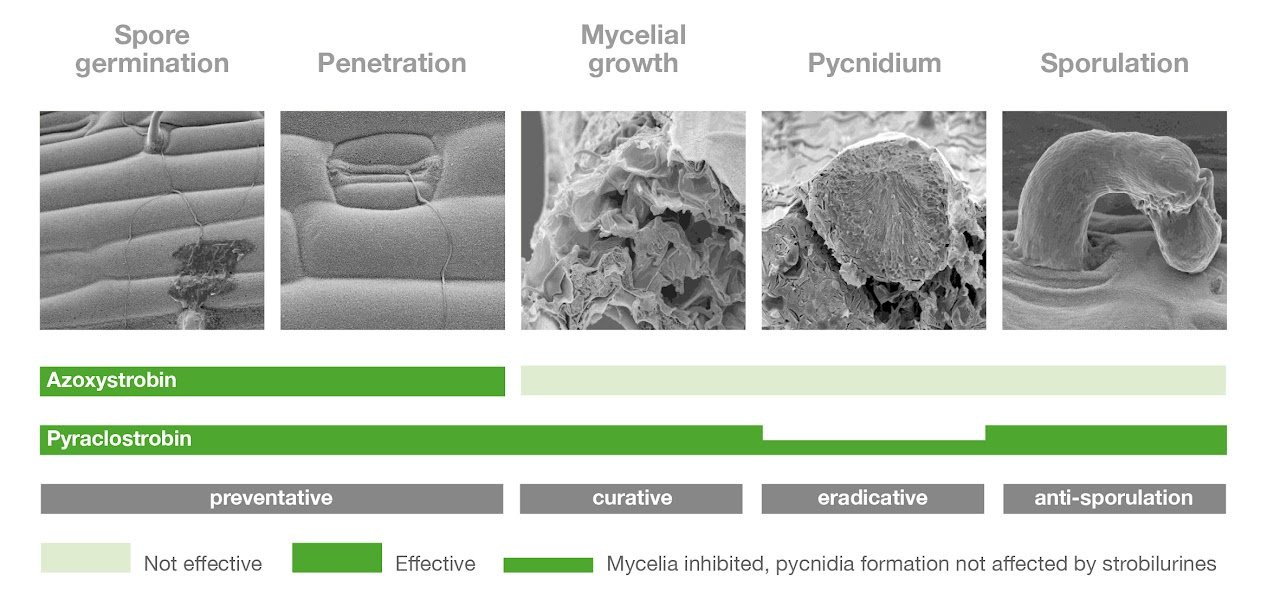
Insignia® targets more states of a fungal pathogen’s life cycle than other strobilurin fungicides and provides protection inside the plant and on both leaf surfaces. These are the advantages of the local penetrant. Apply at first signs of disease or when conditions are favourable.
Where
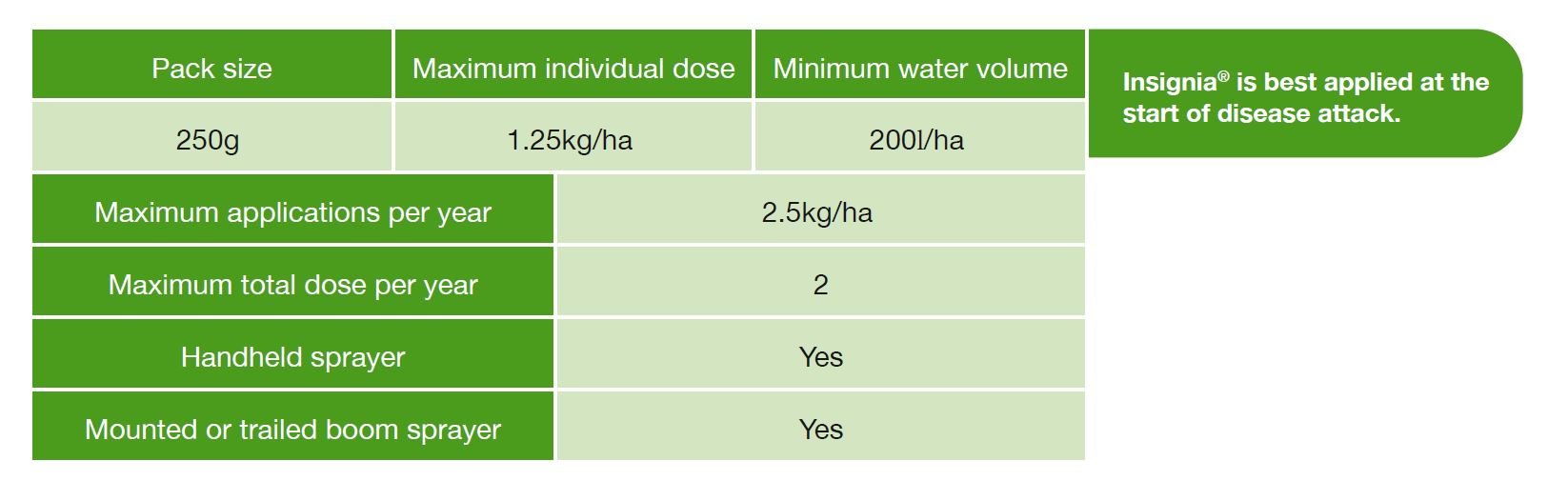
Authorised for use on managed amenity turf. The pyraclostrobin within Insignia® performs consistently at cooler temperatures. Insignia® is suitable for application all year round in temperatures between 5-25°C. Insignia® is rain fast within 1 hour of application. Avoid application 48 hours prior to or immediately after mowing.
Apply Insignia® at the start of disease attack.

Why
Insignia® controls red thread (Laetisaria fuciformis), microdochium patch (Microdochium nivale), and dollar spot (Sclerotinia homoeocarpa).
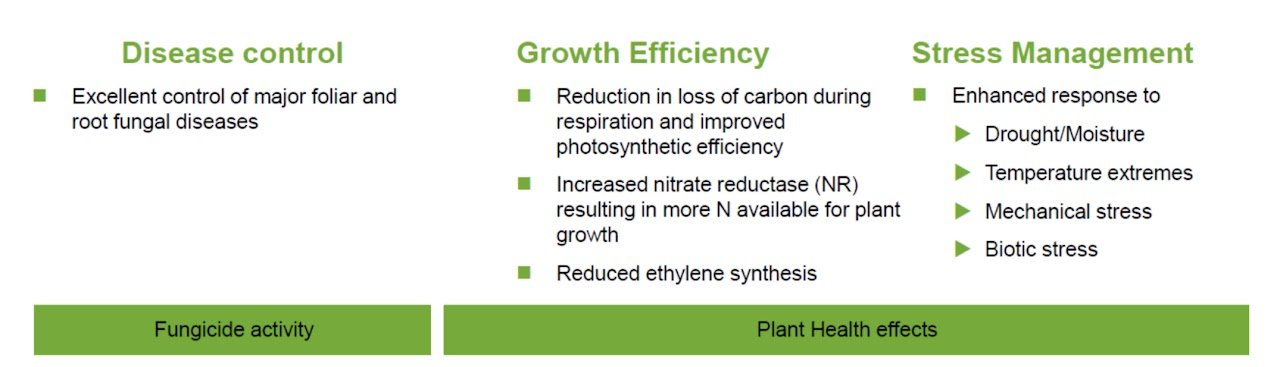
Insignia® also provides additional benefits to the turf manager over and above classical fungicide performance such as:
- Primes the turf immune system before a stress event
- Helps plant and root systems endure the stress event
- Promotes rapid recovery from a stress event through root system retention
How
Obtaining the best results from any Plant Protection Product is enhanced by skilled application, with well calibrated equipment and correct nozzles choices. It is also important to consider the prevailing climate conditions and current stage of disease expression.
When combined with an inherent understanding of how an active substance functionally operates, both inside the plant and against the target pathogen, a turf manager is empowered with the knowledge and ability to obtain the best levels of performance and control.
For full guidance on the application requirements for Plant Protection Products always consult the product label, product authorisation notice and the Code of Practice for Using Plant Protection Products. Or contact your Agrovista Amenity Specialist directly.
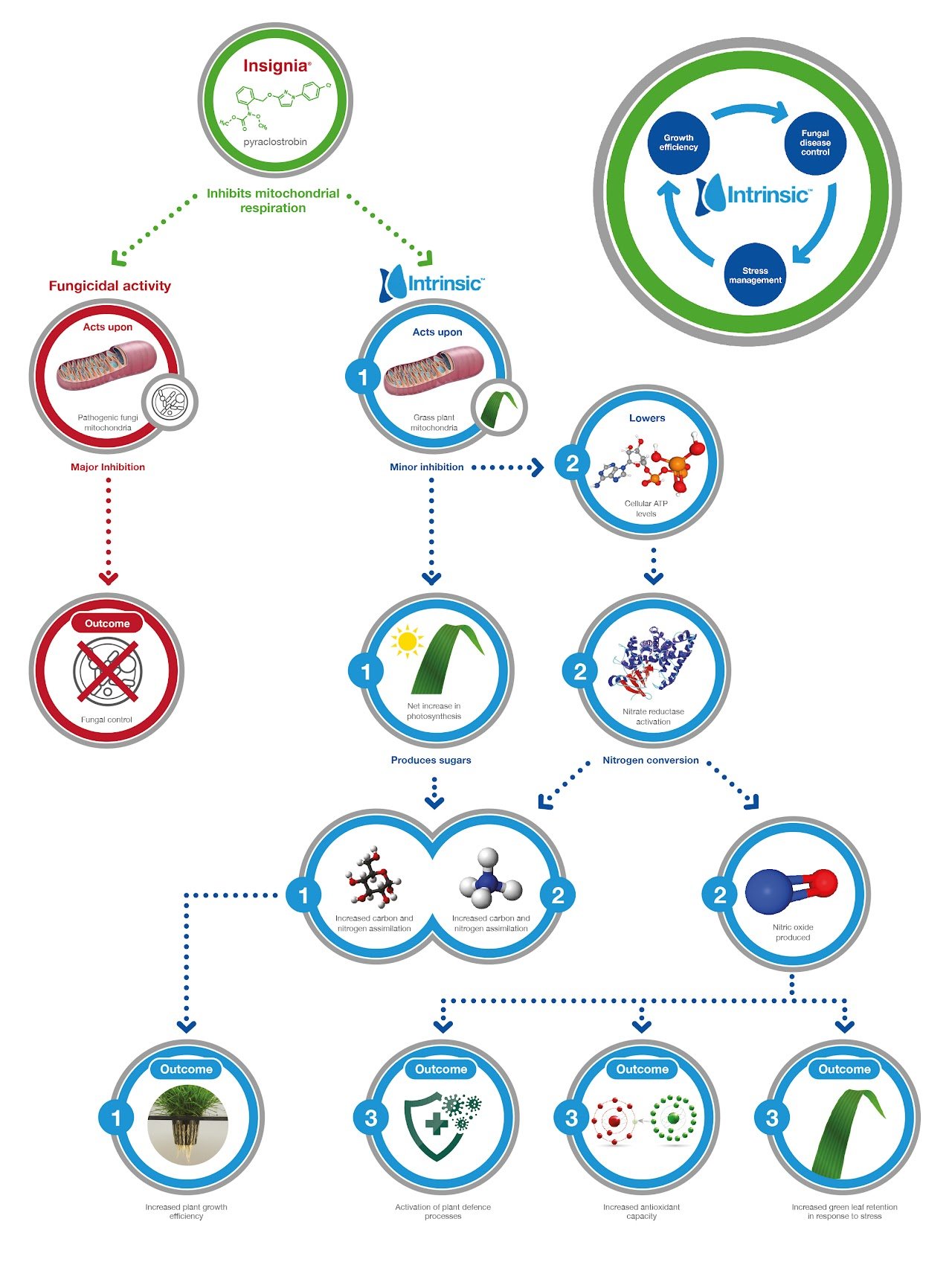
This cascade of beneficial processes allows Insignia® to provide grass plants and therefore turf managers, with additional benefits over and above classical fungicide performance. Insignia® will:
- Prime the turf immune system before a stress event
- Help grass plants regulate beneficial responses during a stress event
- Promote rapid recovery from a stress event through root system retention
Science and trials underpinning the Intrinsic® effect
Stress management
Process
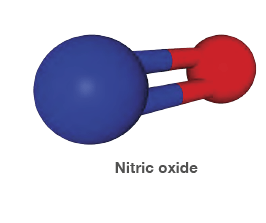
As well as enhancing nitrogen use efficiency, the activation of nitrate reductase also leads to an elevated concentration of nitric oxide (NO) within the plant.
Elevated levels of nitric oxide within plants act as a biological messenger, delivering a priming signal which triggers natural plant defence mechanisms against disease.
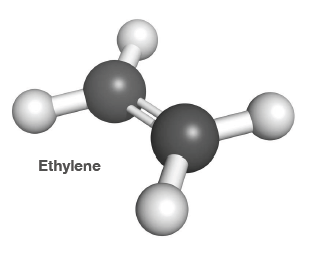
Nitric oxide inhibits the enzymes involved in the production of ethylene, a plant hormone involved in responses to drought, injury, and pathogen triggered cell death such as leaf loss.
Beneficial outcome
Inhibiting ethylene production counteracts stress related aging effects within the plant. As a result, increased green leaf retention causes increased chlorophyll levels within leaves, greater light absorption, prolonged carbon-dioxide assimilation and enhanced energy metabolisation.
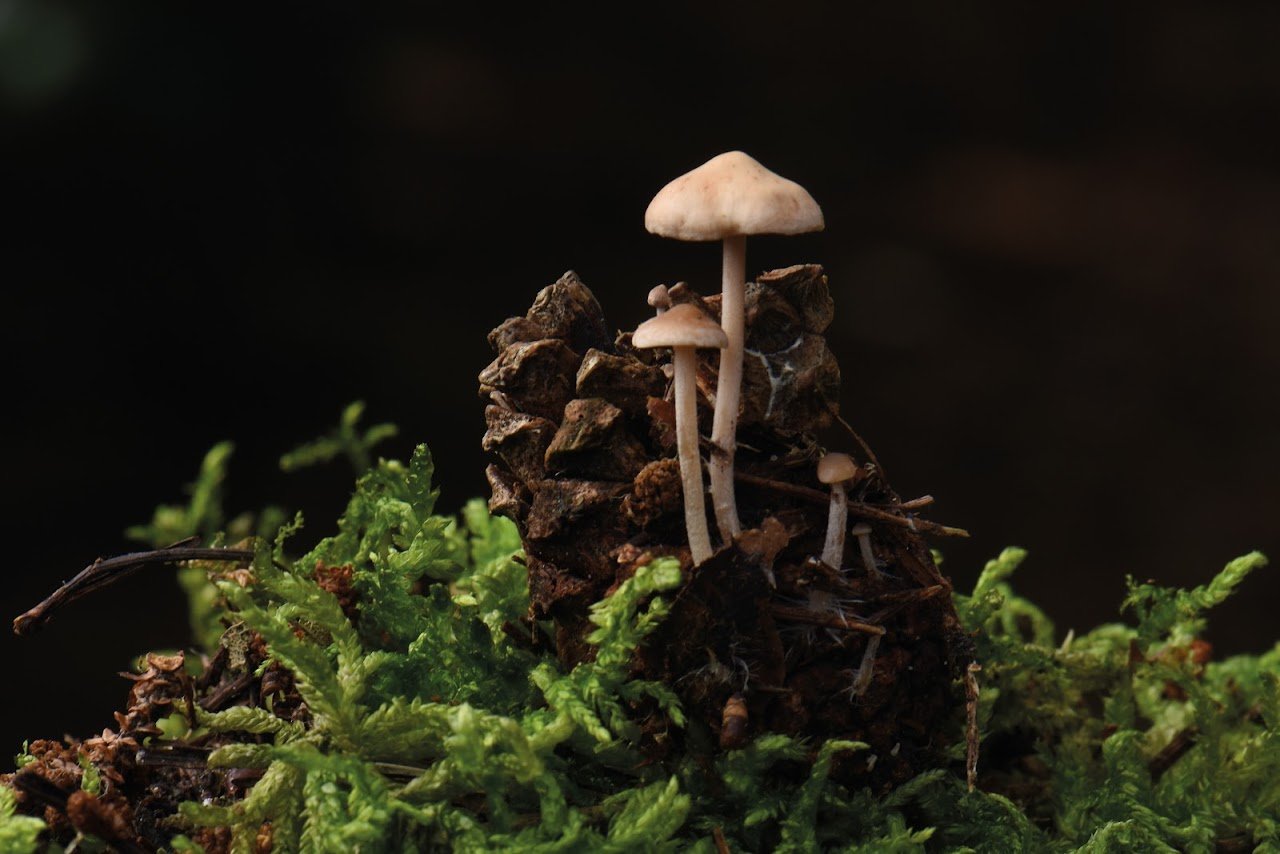
Strobilurus tenacellus (pinecone cap) is a species of agaric fungus which feeds on the fallen cones of pine trees.
It has evolved the ability to suppress and overcome other fungal species which would otherwise compete against it for food. It does this via the synthesis of antifungal compounds called strobilurins.
These naturally occurring fungicides were further optimised to improve their stability in UV light and fungicidal activity.
Since their introduction in 1996 strobilurin fungicides have become one of the most important families of active substance across the world.
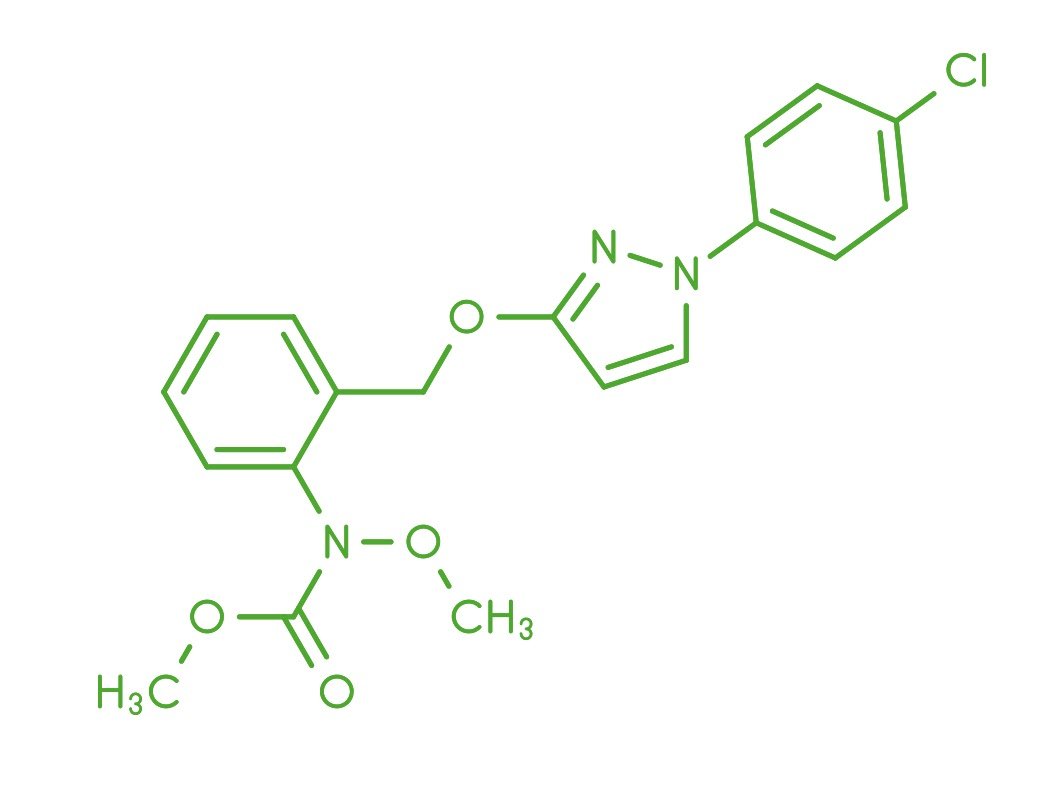
Target site of action and group name
Like many fungicides pyraclostrobin affects a single site within the fungi; specifically, complex III of the mitochondrial electron transport chain. By inhibiting this pathway, pyraclostrobin blocks the fungal pathogen's ability to respire and produce energy through the transfer of electrons within its cells. Fungicides which affect this process are assigned the code C3 and the name Quinone outside Inhibitors (QoI).
FRAC Code
As a QoI fungicide, pyraclostrobin falls within Fungicide Resistance Action Committee (FRAC) code 11 for resistance management.
Mode of action
Mode of Action describes how a fungicide impacts a fungus, The Fungicide Resistance Action Committee (FRAC) currently recognises 13 classifications with pyraclostrobin belonging to Mode of Action Code C: Respiration.
Resistance management
Like all other strobilurin fungicides pyraclostrobin affects a single site within the fungi. As with any chemical control, resistance can occur as target species adapt over time. In an unrestricted use pattern, resistance risk for strobilurin fungicides is classified as moderate for all diseases.
Considerations and actions that are aligned with best practice guidance for reducing the risk of resistance, helps to mitigate such risks and ensure the sustainability of the Active Substance for use.
- Apply early in the development of fungal pathogens
- Do not use consecutive applications of QoI fungicides
- FRAC (Fungicide Resistance Action Committee) classify strobilurin fungicides within code 11. Consider use in conjunction with active substances, selected from another FRAC Code
- FRAC recommends all fungicides should be applied as part of a fungicide management plan which alternately rotates applications through different Mode of Action Codes. This reduces the likelihood of resistance occurring because fungicides in each code will affect different sites within the fungi
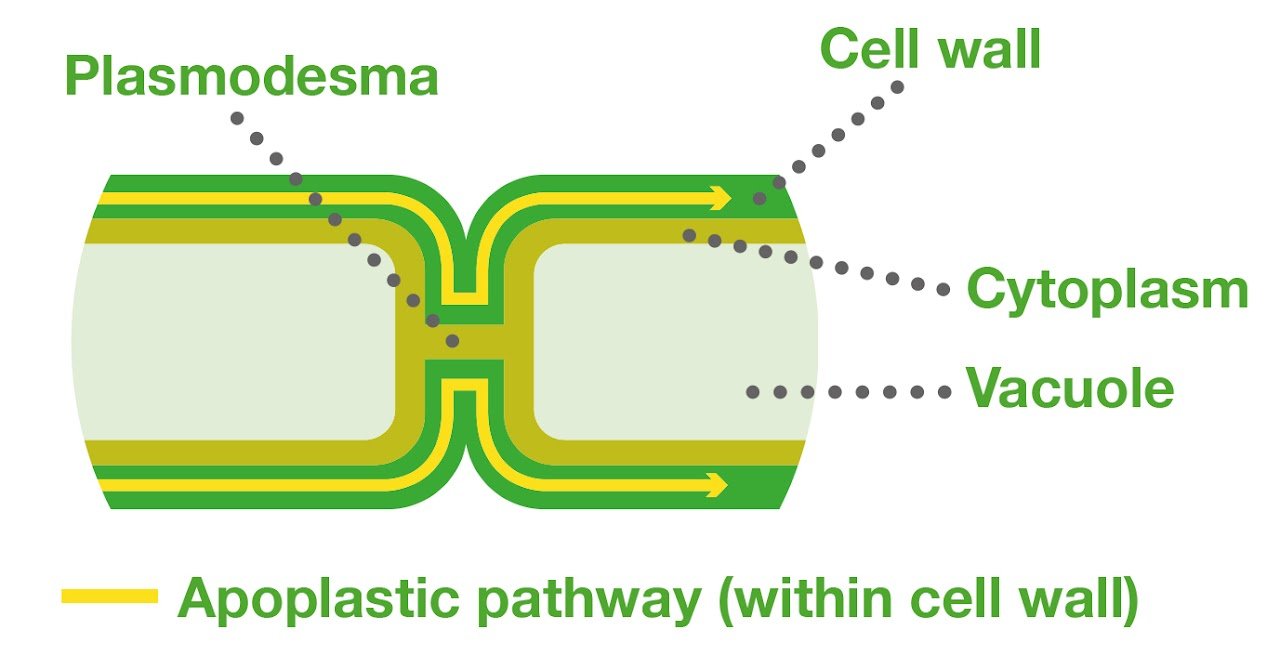
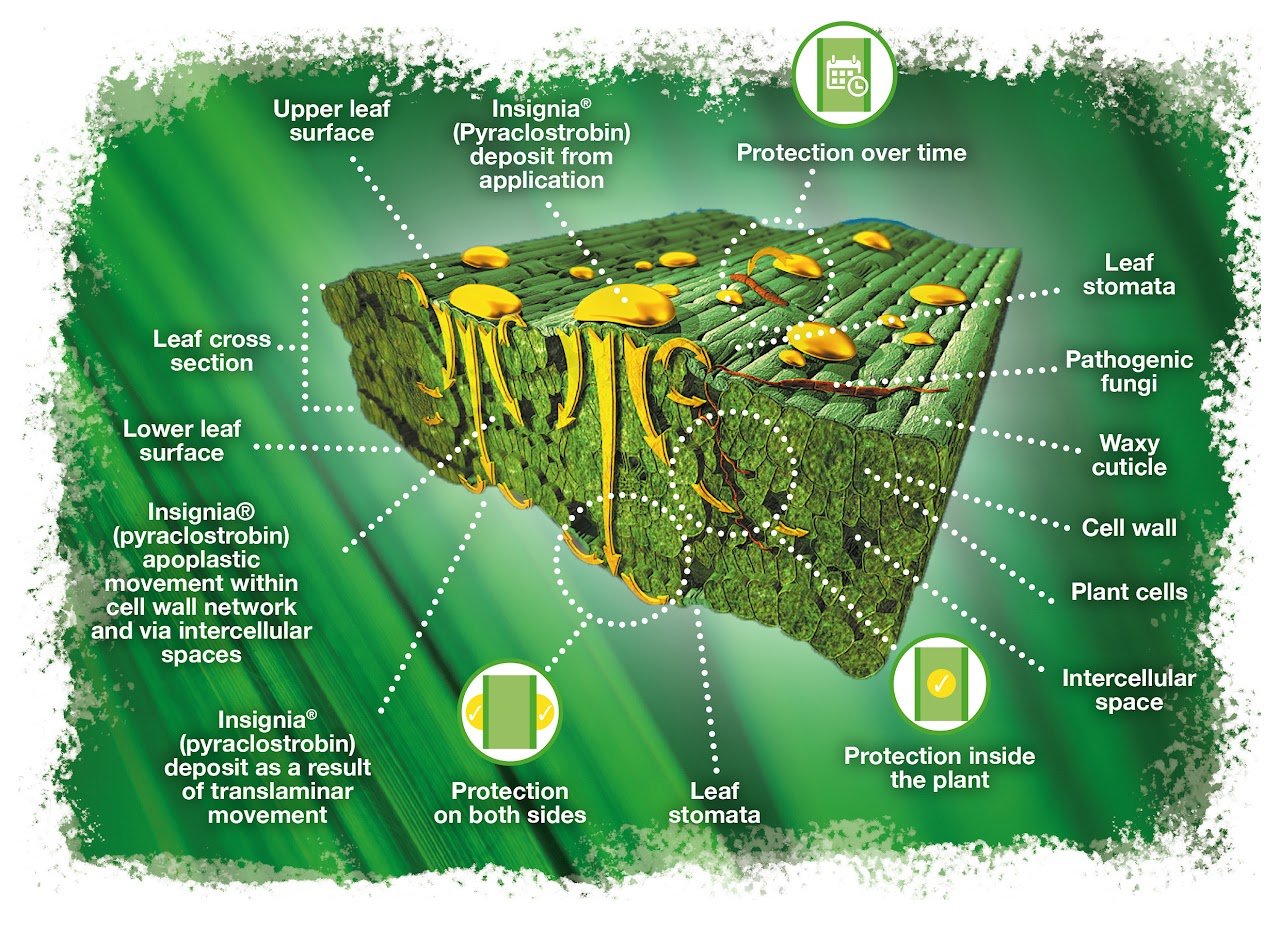
Apoplastic cell movement
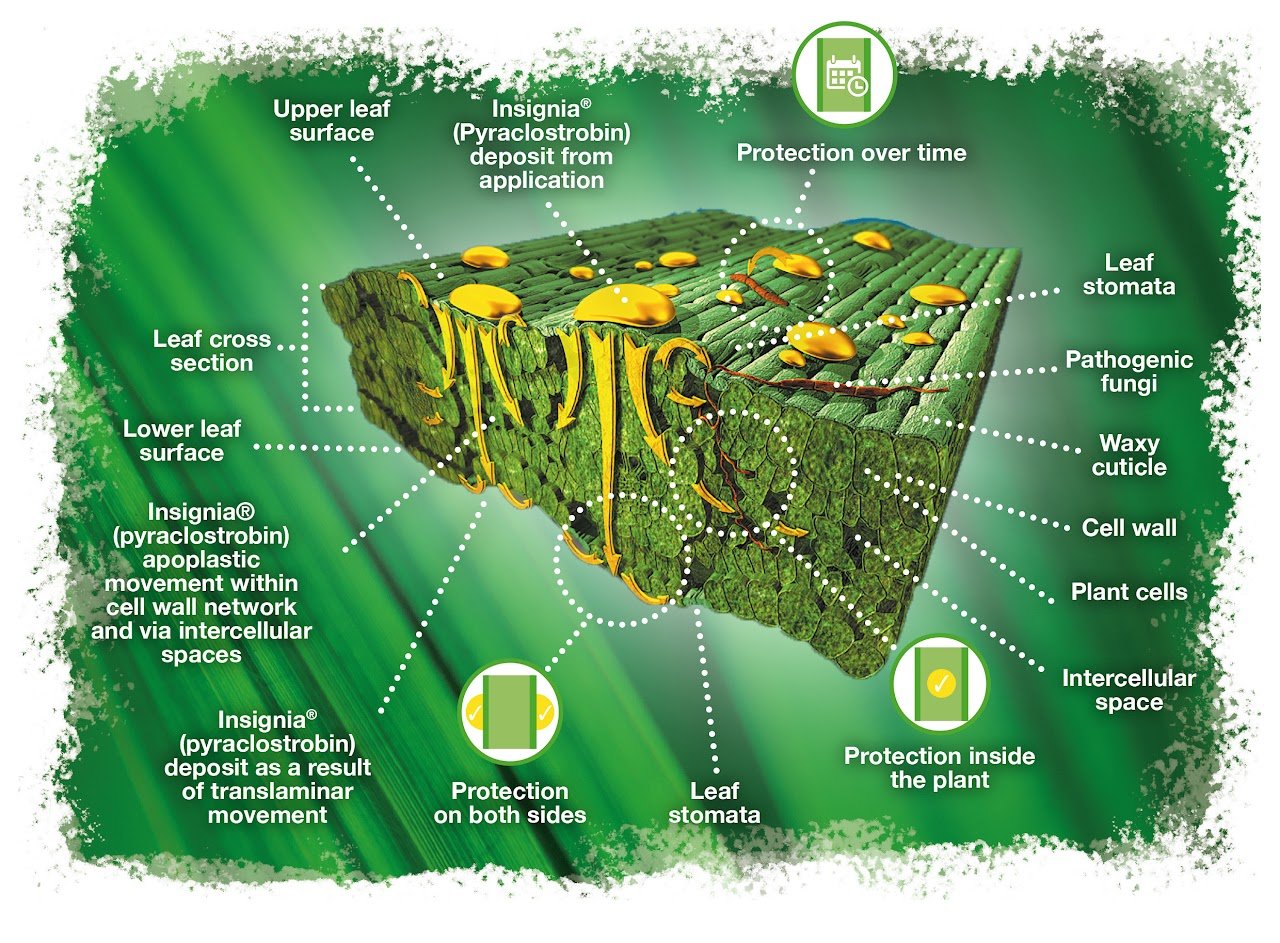
The movement through the leaf occurs around the cell wall structure and through gaps between the underlying plant cells. Eventually, the pyraclostrobin makes it to the opposite side from its original application. This type of movement is classified as apoplastic and occurs in one of two ways.
- The active substance is either transported from cell to cell via the apoplastic pathway. This is a continual space located within cell walls which interlinks them, creating a network capable of transporting water and sugars.
- The active substance works it's way through to the opposite face of the leaf via intercellular spaces, which are essentially tiny gaps between the plant cells.
 Phytomobility
Phytomobility describes how an active substance such as pyraclostrobin penetrates and moves within a plant after it has been deposited onto, and then absorbed into, underlying tissues.
 Local penetrant
Pyraclostrobin is a local penetrant fungicide which means once applied, the active substance will remain concentrated close to the site of application.
 Translaminar movement
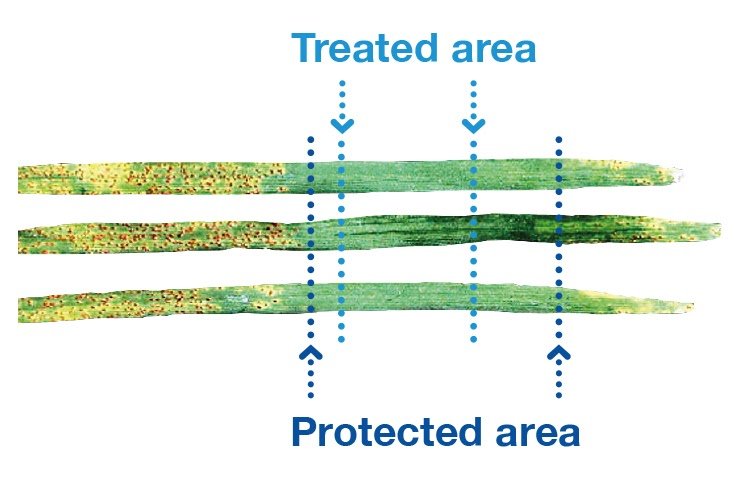
Movement of the active substance will be through the plant leaf from one side to the other. This type of movement through the plant is described as translaminar movement. The word trans being derived from the Latin prefix for ‘through’ or ‘across’, with lamina arising from the use in botany to describe a leaf. Translaminar movement may also be referred to as mesostemic.
 Lipophilic
The pyraclostrobin within Insignia® is lipophilic, which means it tends to combine with lipids such as fats, oils and waxes. Consequently, once applied most of the pyraclostrobin is initially held on or within the outermost area of the leaf surface, the waxy cuticle. Following movement through the leaf it will also bind to the waxy cuticle on the opposite side of the leaf.
Advantages of a local penetrant fungicide
The pyraclostrobin within Insignia® is a local penetrant fungicide, with translaminar movement through the plant and apoplastic movement between plant cells.
These characteristics provide Insignia® with key advantages for a turf manager seeking to protect their grass plant from fungal pathogens. Understanding and thinking about these mechanisms and their advantages, allows the skilled turf manager to apply an active substance to the best effect.
Protection inside the plant
Because a local penetrant translaminar fungicide, such a pyraclostrobin, passes from one side of the leaf to the other, fungitoxic concentrations of the substance within the leaf restrict growth of fungal pathogens inside the plant.
Protection on both sides
Translaminar movement through the leaf builds a concentration of the active substance on the opposite side of the leaf. Suppressing existing infections beneath the site of fungicide application.
Protection over time
Pyraclostrobin’s affinity for lipids in the waxy cuticle, allows deposits of the active substance which are accumulated on both sides of the leaf blade surface to be retained over time.
These accumulated deposits serve as a weather resistant reservoir, releasing active substance both across the leaf surface and into deeper tissues over several weeks. Thereby protecting leaves and roots against new infections.
Stages of control
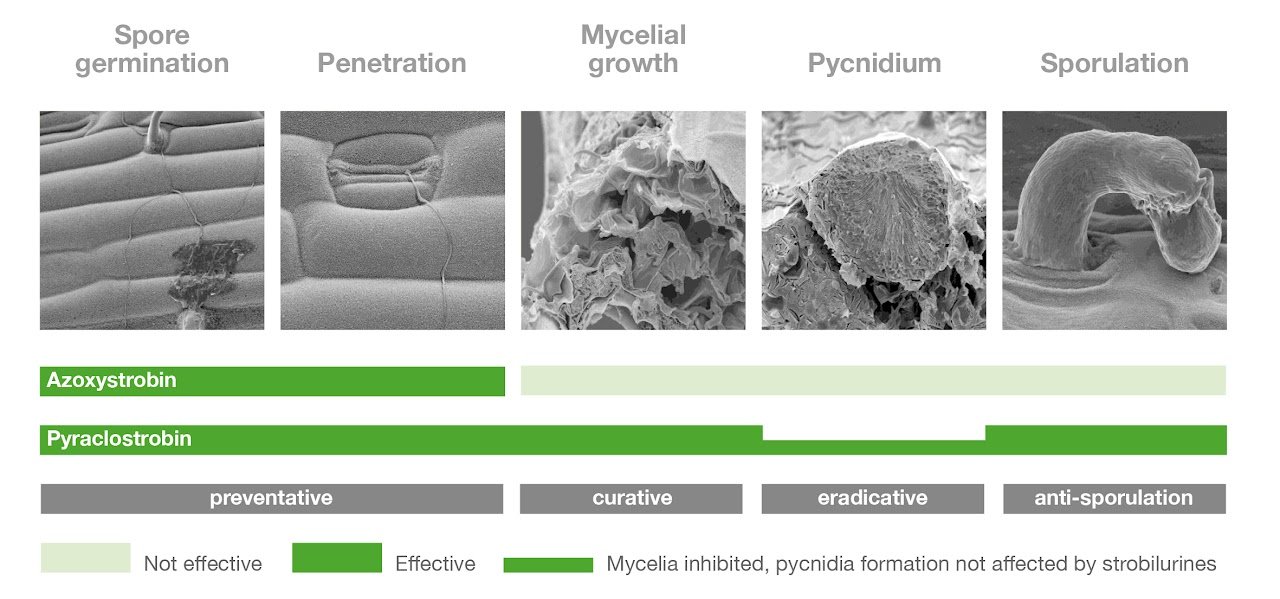
Pyraclostrobin is able to target more stages of a fungal pathogen’s life cycle than other strobilurin fungicides, such as azoxystrobin.
The Intrinsic® effect
Delivers additional benefits to the grass plant over and above direct disease control. The Intrinsic effect from Insignia® helps plants to;
- Resist disease attacks
- Withstand abiotic environmental and physical stress
- Grow more efficiently
This is due to minor inhibition of mitochondrial respiration within the plant, leading to;
- Increased net photosynthesis
- Extra carbon available for metabolic processes. Enhanced nitrogen utilisation
- Activation of plant defence priming signals
- Inhibition of stress related cellular ageing hormones