
Weeds
Study the sections on common weeds found in the UK below, making sure to understand the main causes and both cultural and chemical controls.

Course content
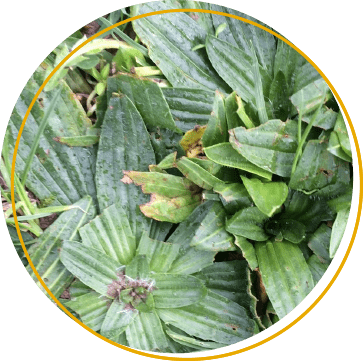
Common name: Ribwort Plantain
Botanical name: Plantago lanceolata
Main causes: Prefers well-drained moist soils with poor grass growth but will tolerate both dry and moist conditions
Cultural control: Look to address conditions that encourage bare or thinly covered areas
Chemical control: MCPA, 2,4-D, dicamba, clopyralid
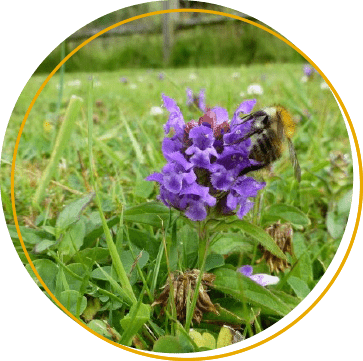
Common name: Selfheal
Botanical name: Prunella vulgaris
Main causes: Can be found in all types of turf and will tolerate both dry and moist soils
Timing: Flowers from June to October
Chemical control: MCPA, 2,4-D
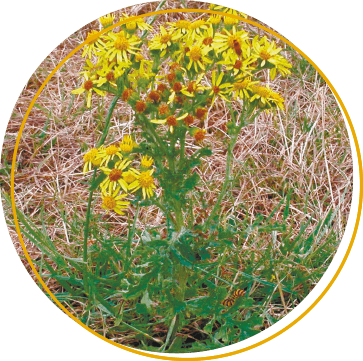
Common name: Common Ragwort
Botanical name: Senecio jacobaea
Precautions: Ragwort is poisonous to cattle and horses
Timing: Seen from spring to autumn. Flowers are seen from June-November.
Cultural control: See DEFRA - code of practice on how to prevent the spread of ragwort
Chemical control: Apply selective herbicides (2,4-D, MCPA) when the rosettes start forming
(see DEFRA code of practice)
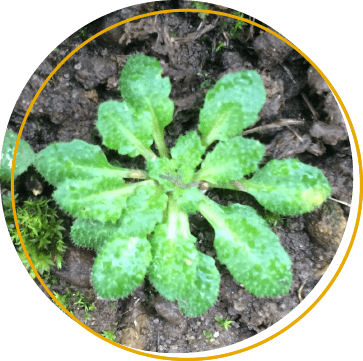
Common name: Shepherd's purse
Botanical name: Capsella bursa-pastoris
Chemical control: MCPA, 2,4-D, clopyralid, dicamba
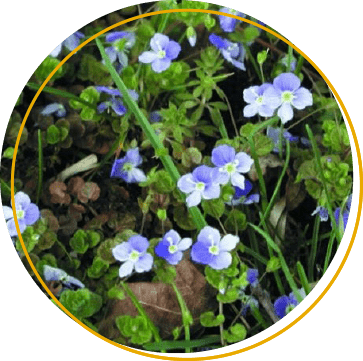
Common name: Speedwell
Botanical name: Veronica spp.
Main causes: Infrequent mowing and low nitrogen levels
Timing flowers: From early spring onwards
Treat: Spring-autumn when plants are actively growing
Chemical control: 2,4-D, fluroxypyr
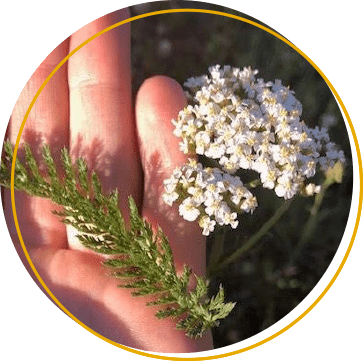
Common name: Yarrow
Botanical name: Achillea millefolium
Main causes: dry or poor soil conditions and lack of plant nutrients
Timing: July to October
Cultural control: Yarrow is a difficult weed to control once it is established in lawn grasses or turf so good lawn care is an effective preventative measure
Chemical control: 2,4-D, dicamba
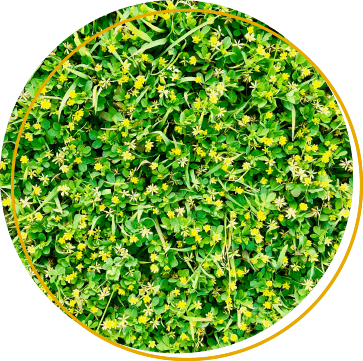
Common name: Lesser trefoil or Yellow Suckling Clover
Botanical name: Trifolium dubium
Main causes: Prefers well-drained soils
Timing: Flowers from May to October
Chemical control: Florasulam, fluroxypyr, mecoprop-P
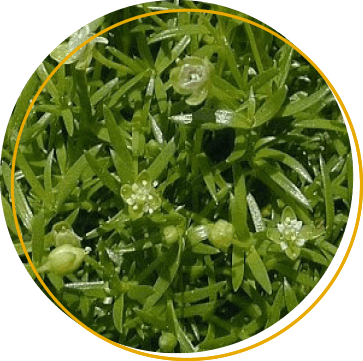
Common name: Pearlwort
Botanical name: Sagina procumbens
Main causes: Can be found in all types of conditions especially moist, wet lawns and turf where frequent close, mowing is the norm
Timing flowering : April to September
Cultural control: Raise height of cut
Chemical control: Florasulam, fluroxypyr, 2,4-D
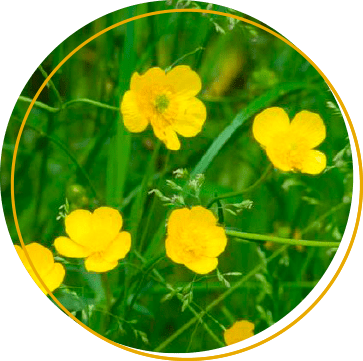
Common name: Creeping Buttercup
Botanical name: Ranunculus repens
Timing: Treat in spring/autumn
Cultural control: Dense Sward
Chemical control: 2,4-D, clopyralid, dicamba, MCPA
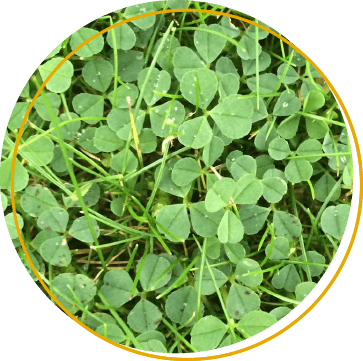
Common name: Clover, trefoil, black medick
Botanical name: Trifolium spp.
Medicago lupulina
Lotus corniculatus
Timing: Seen year round, treat when plants are actively growing
Chemical control: Clopyralid, dicamba, mecoprop-P
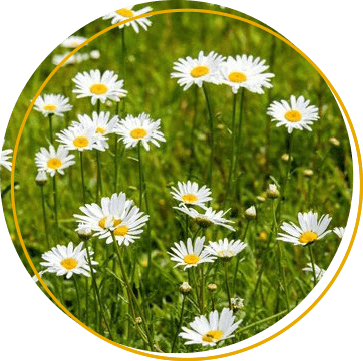
Common name: Daisy
Botanical name: Bellis perennis
Timing: Blooms throughout the year
Chemical control: 2,4-D, fluroxypyr, florasulam
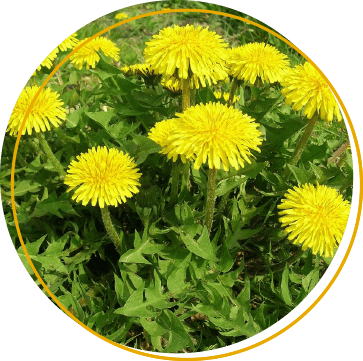
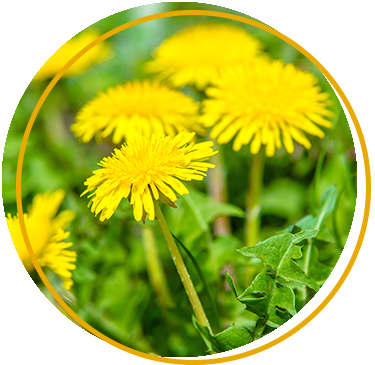
Common name: Dandelion
Botanical name: Taraxacum officinale
Timing: Flowering March-October
Cultural control: Dense Sward
Chemical control: 2,4-D, MCPA, fluroxypyr, florasulam
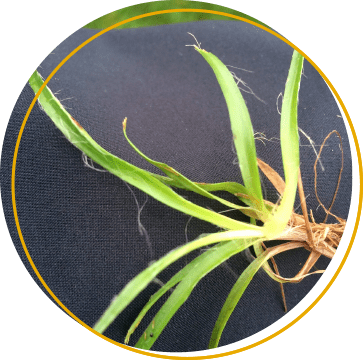
Common name: Field Woodrush
Botanical name: Luzula campestris
Main cause: Associated with acidic soils
Timing: Brown flower heads seen in spring
Treat: In summer
Cultural control: Increase soil pH
Chemical control: Fluroxypyr
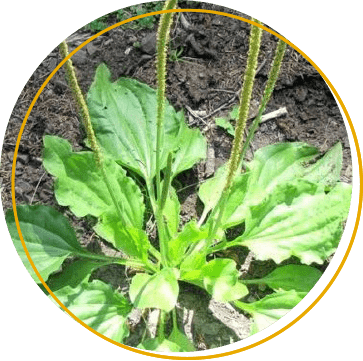
Common name: Greater plantain
Botanical name: Plantago major
Main causes: Prefers well-drained moist soils with poor grass growth but will tolerate both dry and moist conditions
Cultural control: Look to address conditions that encourage bare or thinly covered areas
Chemical control: MCPA, 2,4-D, dicamba, clopyralid
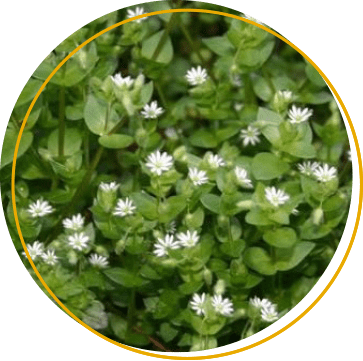
Common name: Mouse-ear chickweed
Botanical name: Cerastium fontanum
Chemical control: 2,4-D, clopyralid, mecoprop-P
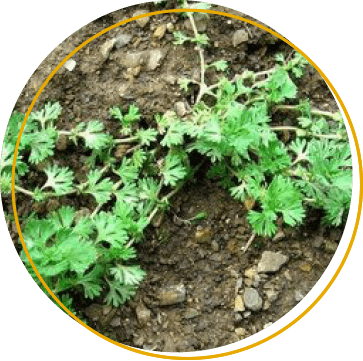
Common name: Parsley piert
Botanical name: Aphanes arvensis
Main causes: Prefers well drained, nutrient deficient soils and is tolerant of close mowing
Timing: April-October
Cultural control: Increase moisture and fertility of soil, raise height of cut
Chemical control: 2,4-D, clopyralid, dicamba, fluroxypyr, MCPA
Lesson notes
- Weeds - Study each weed type and most importantly how they look at different stages of development
- Main causes - learn the main causes of each type of weed
- Other factors - understand how other factors increase the likelihood of turf weeds
- Control - learn different types of maintenance procedures that help control and reduce the incidence of weeds
- Chemical treatments - Understand what type of chemical control is available for each weed